How to understand abandon in context
Main-category: Action
Sub-category: Destruction
Sub-category: Destruction
Contextual explanation: Deliberate act of leaving behind or relinquishing.
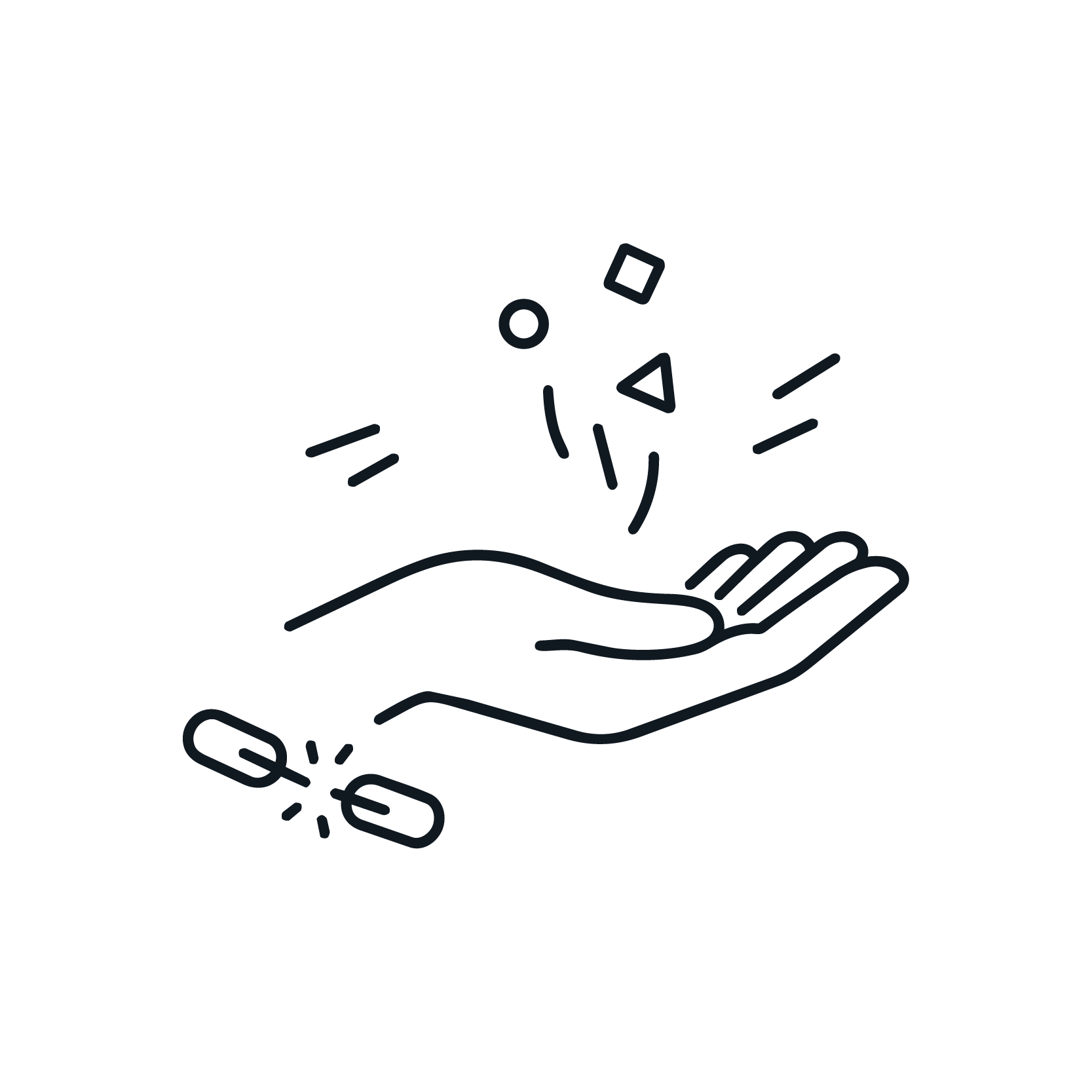
Abandon is best understood as an action—specifically, the deliberate act of leaving something behind, relinquishing control, connection, responsibility, or attachment. It involves a conscious decision to end involvement or association, resulting in the cessation or destruction of a prior relationship, obligation, or possession.
Abandon is best understood as an action—specifically, the deliberate act of leaving something behind, relinquishing control, connection, responsibility, or attachment. It involves a conscious decision to end involvement or association, resulting in the cessation or destruction of a prior relationship, obligation, or possession.
Themes: Letting go and separation.
Abandon is closely tied to the theme of letting go, as it centers on the intentional release of control or responsibility. It also relates to separation, since abandonment creates a clear division between what is left behind and the individual or entity making the choice.
Abandon is closely tied to the theme of letting go, as it centers on the intentional release of control or responsibility. It also relates to separation, since abandonment creates a clear division between what is left behind and the individual or entity making the choice.
Nuance: Intentional withdrawal.
What distinguishes abandon within its category is the element of intent—the act is not accidental or passive, but a purposeful withdrawal or severance. This nuance highlights the agency involved in abandonment, setting it apart from loss or neglect, which may occur without deliberate choice.
What distinguishes abandon within its category is the element of intent—the act is not accidental or passive, but a purposeful withdrawal or severance. This nuance highlights the agency involved in abandonment, setting it apart from loss or neglect, which may occur without deliberate choice.