Abactinal
The surface or region of a radially symmetrical organism that lies opposite the mouth, typically referring to the upper side of echinoderms.
Themes: anatomy and zoology
Abaft
Abaft means toward the rear or stern of a ship, or situated behind something in a nautical context.
Themes: nautical and spatial orientation
Abalone
A marine mollusc with a single ear‑shaped shell, prized for its iridescent interior and valued in cuisine, jewellery, and ecological conservation.
Theme: animal (marine mollusc)
Babaco
A tropical fruit from the Andean region, known for its elongated shape, fragrant aroma, and sweet–tart flavour, often used fresh or in juices.
Theme: plant (fruit)
Babassu
A tropical palm tree native to Brazil, valued for its oil‑rich nuts, which are used in food, cosmetics, soaps, and sustainable bio‑based products.
Theme: plant (palm tree)
Caatinga‑biome
A dry tropical biome found in northeastern Brazil, defined by thorny vegetation, seasonal drought, and uniquely adapted wildlife.
Theme: biome (dry tropical)
Daisy
A daisy is a simple flowering plant known for its round yellow centre and radiating white petals, symbolising purity, optimism, and gentle natural beauty.
Themes: plant and flower
Daboecia
A small genus of evergreen shrubs known for bell‑shaped flowers, native to Atlantic Europe and valued for ornamental groundcover.
Theme: plant
Eagle
A powerful bird of prey symbolising vision, strength, precision, and elevated perspective, known for its sharp eyesight and commanding presence in the sky.
Themes: animal and bird of prey
Eagre
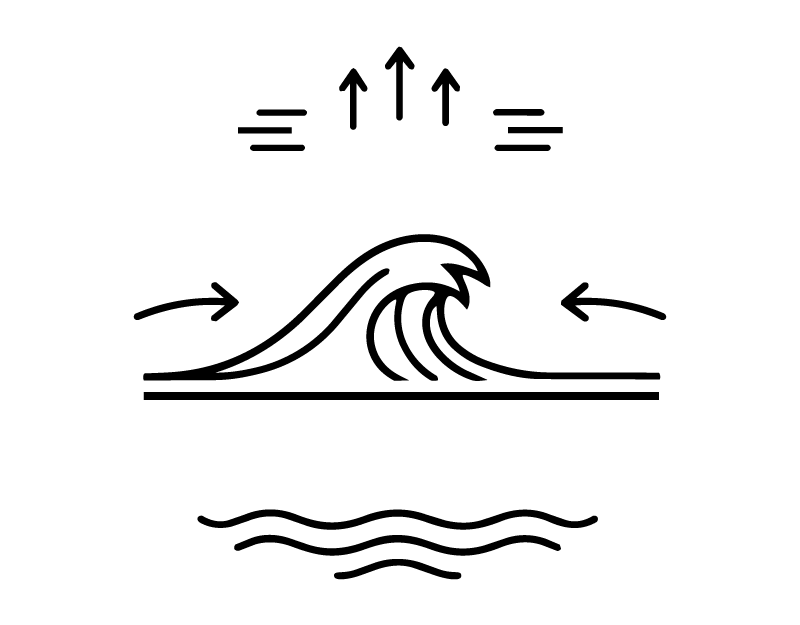
A powerful tidal surge rushing upriver, created when an incoming tide forces a sudden rising wave against the current.
Themes: event and tidal phenomenon

Fabaceous
Relating to or resembling plants of the pea or legume family, typically marked by pod bearing growth and compound leaves.
Themes: botanical characteristic and plant
GABA
The brain’s main inhibitory neurotransmitter, helping regulate nerve activity, reduce overstimulation, and support calm, balance, and neural stability.
Themes: biological molecule and neurotransmitter
Gabbro
A coarse-grained, dark igneous rock formed when magma slowly cools beneath Earth’s surface, creating large interlocking crystals.
Themes: mineral and rock
Haanepoot
A sweet, pale green South African grape variety known for its muscat aroma, used in fresh eating, winemaking, and traditional desserts.
Themes: fruit, grape variety, and plant

Haart
A coarse African grass valued for thatching, grazing, and natural fiber uses, known for its durability and resilience in dry climates.
Theme: plant (grass)
Habañero
A small, intensely hot chilli pepper known for its fiery heat, fruity aroma, and bright colour, widely used to add sharp spice to foods.
Themes: chilli pepper and plant
IAA (indoleacetic acid)
A naturally occurring plant hormone in the auxin family that regulates growth and development in plants.
Themes: chemical compound and plant hormone
Jabiru
A large, long-legged stork with black-and-white plumage and a massive bill, native to wetlands.
Theme: animal
Jaborandi
A medicinal plant native to South America, valued for pilocarpine-rich leaves that stimulate sweating, salivation, and glandular activity.
Theme: plant
Labdanum
A rich, resinous aromatic gum from Cistus shrubs, known for its warm, amber leather scent and use in perfumery for depth, fixation, and sensuality.
Themes: plant product and resin
Maar
A volcanic crater formed when groundwater explosively meets rising magma, leaving a broad, steep-walled basin.
Themes: geological feature and volcanic landform
Nabk
A prickly shrub of the genus Ziziphus (especially Ziziphus spina-christi or Ziziphus lotus), native to Mediterranean and Middle Eastern regions; also, the edible berry of Ziziphus lotus.
Themes: edible fruit, plant and shrub;
Oak leather
A thick mat or sheet of mycelium (fungal tissue) formed in decaying oak wood.
Themes: fungal growths and fungi
Oak leaf
The leaf of an oak tree, typically from a species in the genus Quercus.
Themes: leaf and plant part
Oak eggar
A large, furry moth (Lasiocampa quercus) found widely across the UK and Europe; named for its acorn-like cocoon, not for a direct connection to oak trees.
Themes: animal, insect, and moth
Oak apple
A round, apple-like gall that forms on oak trees when certain gall wasps lay eggs in developing buds, sheltering and feeding the larvae.
Themes: gall and plant structure/
Oak
A hardwood tree in the genus Quercus, known for strength, longevity, and distinctive acorns.
Themes: plant and tree