How to understand anaphora in context
Main-category: Communication
Sub-category: Language
Sub-category: Language
Contextual explanation: Repetition for emphasis and cohesion.
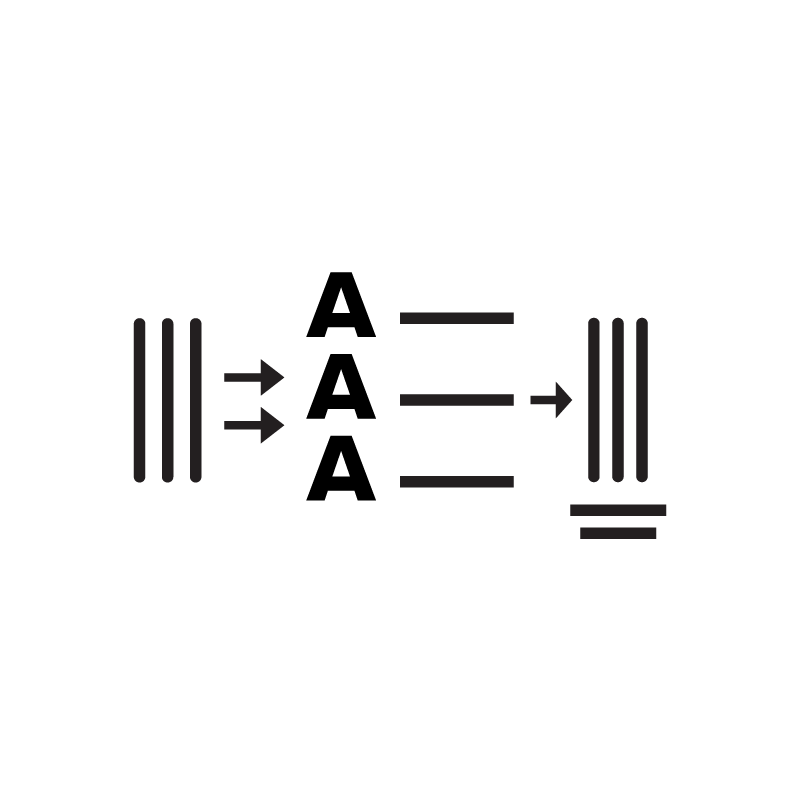
Anaphora is best understood as a linguistic device involving the repetition of a word or phrase at the beginning of successive clauses, or the use of a word to refer back to an earlier term for cohesion. It serves to create emphasis, rhythm, and unity within spoken or written communication.
Anaphora is best understood as a linguistic device involving the repetition of a word or phrase at the beginning of successive clauses, or the use of a word to refer back to an earlier term for cohesion. It serves to create emphasis, rhythm, and unity within spoken or written communication.
Themes: Rhetorical effect and textual cohesion.
Anaphora is closely tied to the theme of rhetorical effect, as it is often used to persuade, inspire, or create memorable patterns in language. It also supports textual cohesion by linking ideas and maintaining continuity across sentences or clauses.
Anaphora is closely tied to the theme of rhetorical effect, as it is often used to persuade, inspire, or create memorable patterns in language. It also supports textual cohesion by linking ideas and maintaining continuity across sentences or clauses.
Nuance: Structural repetition and referential linkage.
What distinguishes anaphora within its category is its dual function: it can operate as a stylistic repetition for emphasis, or as a grammatical mechanism for referencing earlier elements in discourse, thereby enhancing both the impact and clarity of communication.
What distinguishes anaphora within its category is its dual function: it can operate as a stylistic repetition for emphasis, or as a grammatical mechanism for referencing earlier elements in discourse, thereby enhancing both the impact and clarity of communication.