How to understand autonomic balance in context
Main-category: State
Sub-category: Physical
Sub-category: Physical
Contextual explanation: Dynamic equilibrium of bodily activation and recovery.
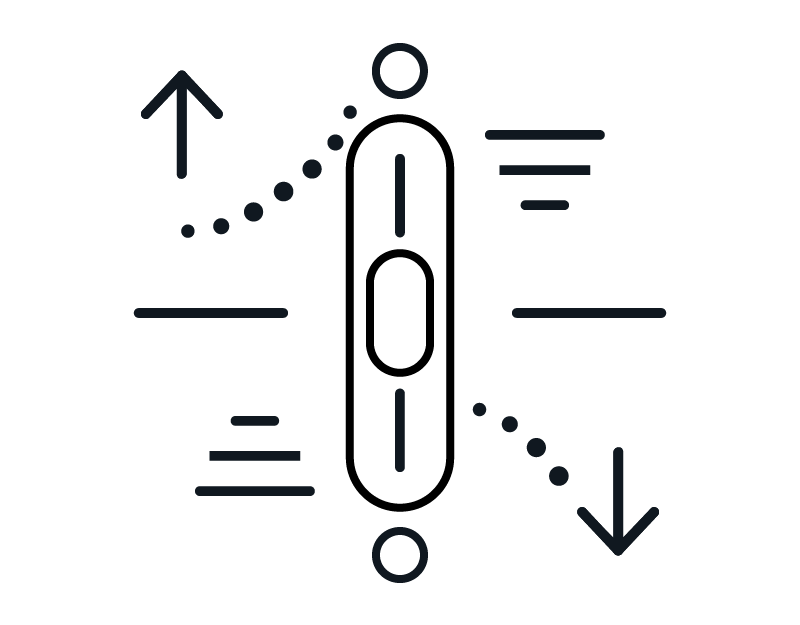
Autonomic balance is best understood as a physical state—specifically, the ongoing regulation between the sympathetic (activating) and parasympathetic (restorative) branches of the autonomic nervous system. This balance ensures the body can appropriately respond to stressors and return to rest, maintaining health and optimal function.
Autonomic balance is best understood as a physical state—specifically, the ongoing regulation between the sympathetic (activating) and parasympathetic (restorative) branches of the autonomic nervous system. This balance ensures the body can appropriately respond to stressors and return to rest, maintaining health and optimal function.
Themes: Homeostasis and regulation.
Autonomic balance is central to the theme of physiological regulation, as it underpins the body's ability to maintain internal stability (homeostasis) in the face of changing demands. It is also relevant to adaptation, since shifts in autonomic balance allow for flexible responses to both internal and external stimuli.
Autonomic balance is central to the theme of physiological regulation, as it underpins the body's ability to maintain internal stability (homeostasis) in the face of changing demands. It is also relevant to adaptation, since shifts in autonomic balance allow for flexible responses to both internal and external stimuli.
Nuance: Dynamic interplay of nervous system branches.
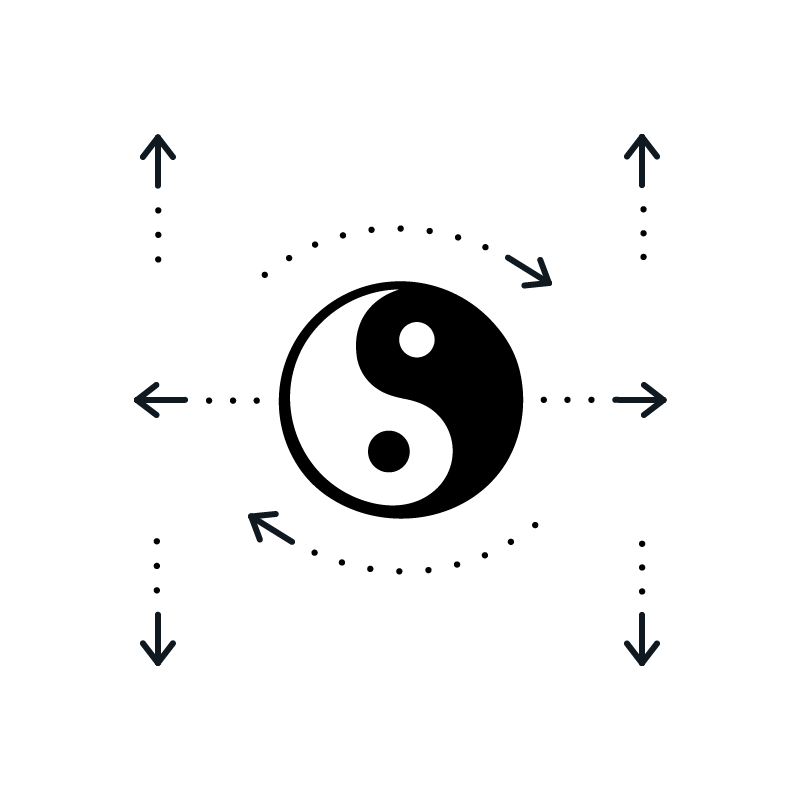
What distinguishes autonomic balance within its category is the dynamic, bidirectional interplay between activation and recovery processes. Rather than a fixed state, it reflects a continuous adjustment that supports resilience, adaptability, and overall well-being.
What distinguishes autonomic balance within its category is the dynamic, bidirectional interplay between activation and recovery processes. Rather than a fixed state, it reflects a continuous adjustment that supports resilience, adaptability, and overall well-being.