How to understand b flat in context
Main-category: Creativity
Sub-category: Music
Sub-category: Music
Contextual explanation: Musical pitch and tonal centre.
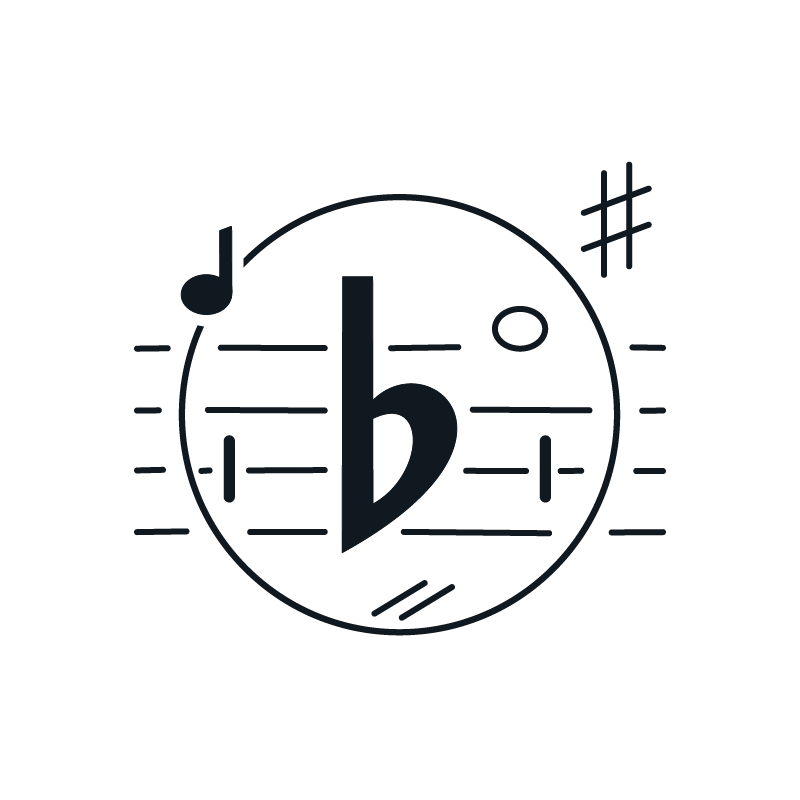
B flat is best understood as a specific musical pitch—one semitone lower than B—that functions as a note, key, or tonal centre in music. It is fundamental to musical composition and performance, providing a reference point for melody, harmony, and tuning across a wide range of instruments and genres.
B flat is best understood as a specific musical pitch—one semitone lower than B—that functions as a note, key, or tonal centre in music. It is fundamental to musical composition and performance, providing a reference point for melody, harmony, and tuning across a wide range of instruments and genres.
Themes: Structure and expression in music.
B flat is central to the theme of musical structure, as it helps define scales, chords, and keys. It also supports musical expression, enabling composers and performers to evoke particular moods or tonal colours by choosing B flat as a tonal centre or key signature.
B flat is central to the theme of musical structure, as it helps define scales, chords, and keys. It also supports musical expression, enabling composers and performers to evoke particular moods or tonal colours by choosing B flat as a tonal centre or key signature.
Nuance: Versatility across instruments and genres.
What distinguishes B flat within its category is its versatility: it is commonly used in both classical and popular music, and is especially significant for transposing instruments (such as clarinets, trumpets, and saxophones) that are built around the B flat pitch. This makes B flat a practical and frequently encountered concept in music theory and practice.
What distinguishes B flat within its category is its versatility: it is commonly used in both classical and popular music, and is especially significant for transposing instruments (such as clarinets, trumpets, and saxophones) that are built around the B flat pitch. This makes B flat a practical and frequently encountered concept in music theory and practice.