How to understand c clef in context
Main-category: Communication
Sub-category: Symbol
Sub-category: Symbol
Contextual explanation: Movable clef symbol indicating middle C.
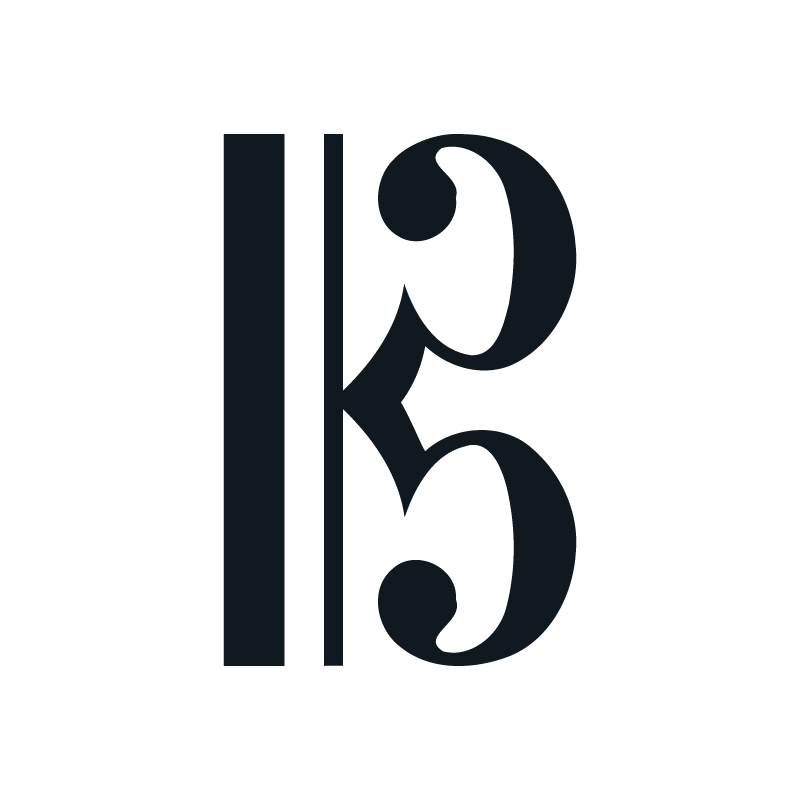
C clef is best understood as a symbol in music notation that designates the position of middle C (C4) on the staff. Its unique feature is that it can be placed on different lines, allowing it to adapt to various vocal and instrumental ranges by marking where middle C appears.
C clef is best understood as a symbol in music notation that designates the position of middle C (C4) on the staff. Its unique feature is that it can be placed on different lines, allowing it to adapt to various vocal and instrumental ranges by marking where middle C appears.
Themes: Musical notation and adaptability.
C clef is central to the theme of musical notation, serving as a key element in the written communication of music. Its adaptability highlights the flexibility required in music to accommodate different voices and instruments, ensuring clarity and precision in reading music.
C clef is central to the theme of musical notation, serving as a key element in the written communication of music. Its adaptability highlights the flexibility required in music to accommodate different voices and instruments, ensuring clarity and precision in reading music.
Nuance: Movable reference point for pitch.
What distinguishes the C clef within its category is its role as a movable reference point for pitch. Unlike fixed clefs, the C clef's position can change, making it especially valuable for notating music for instruments and voices that do not fit neatly within the range of the treble or bass clefs.
What distinguishes the C clef within its category is its role as a movable reference point for pitch. Unlike fixed clefs, the C clef's position can change, making it especially valuable for notating music for instruments and voices that do not fit neatly within the range of the treble or bass clefs.