How to understand extractive orientation in context
Main-category: Belief
Sub-category: Values
Sub-category: Values
Contextual explanation: Prioritising extraction over reciprocity.
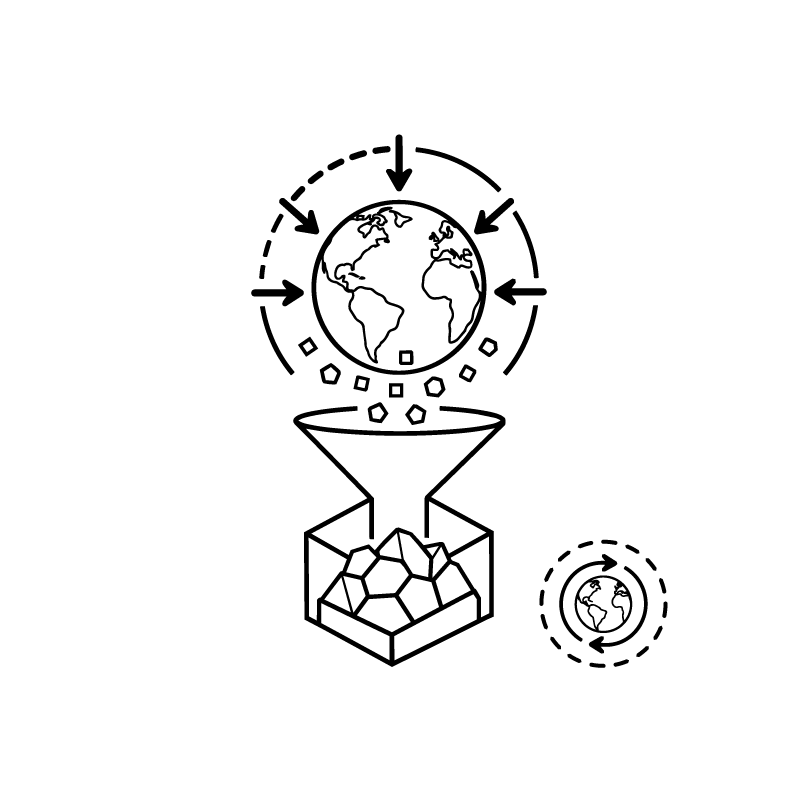
Extractive orientation is best understood as a value system or worldview that frames people, communities, knowledge, or ecosystems primarily as resources to be exploited for the benefit of one party, often with little regard for mutual benefit, restoration, or long-term sustainability.
Extractive orientation is best understood as a value system or worldview that frames people, communities, knowledge, or ecosystems primarily as resources to be exploited for the benefit of one party, often with little regard for mutual benefit, restoration, or long-term sustainability.
Themes: Power dynamics and resource use.
This concept is closely tied to themes of power imbalance and the ethics of resource use. It highlights how certain systems or actors may prioritise short-term gain or unilateral benefit, shaping relationships and decisions in ways that can perpetuate inequality or environmental harm.
This concept is closely tied to themes of power imbalance and the ethics of resource use. It highlights how certain systems or actors may prioritise short-term gain or unilateral benefit, shaping relationships and decisions in ways that can perpetuate inequality or environmental harm.
Nuance: Lack of reciprocity and restoration.
What distinguishes extractive orientation within its category is the absence of reciprocal exchange or restorative intent. Unlike approaches that seek balance or mutual benefit, extractive orientation is marked by one-sided gain, often at the expense of others or the environment.
What distinguishes extractive orientation within its category is the absence of reciprocal exchange or restorative intent. Unlike approaches that seek balance or mutual benefit, extractive orientation is marked by one-sided gain, often at the expense of others or the environment.