How to understand haaf in context
Main-category: Action
Sub-category: Action
Sub-category: Action
Contextual explanation: Traditional net fishing method involving direct human action in tidal waters.
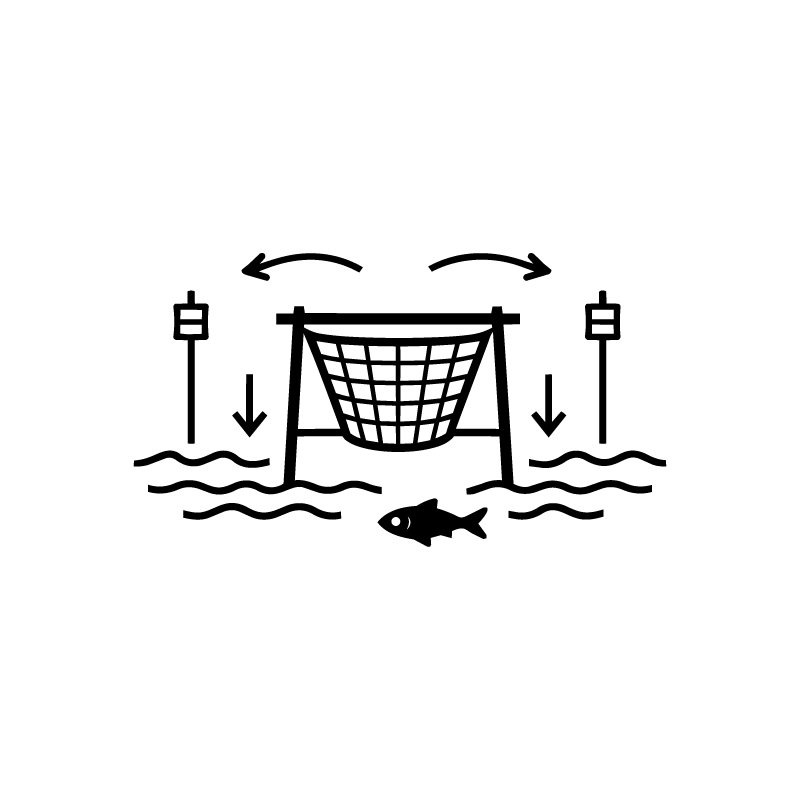
Haaf is best understood as a specific action—namely, the traditional practice of standing in tidal waters with large, framed nets to catch salmon and sea trout. This method requires physical presence, skill, and timing, reflecting a direct and purposeful operation to achieve the outcome of catching fish.
Haaf is best understood as a specific action—namely, the traditional practice of standing in tidal waters with large, framed nets to catch salmon and sea trout. This method requires physical presence, skill, and timing, reflecting a direct and purposeful operation to achieve the outcome of catching fish.
Themes: Tradition and adaptation to environment.
Haaf embodies the theme of tradition, as it is a fishing method passed down through generations in the Solway Firth region. It also highlights adaptation to local environmental conditions, utilising the unique tidal patterns and shallow coastal waters to enable effective fishing.
Haaf embodies the theme of tradition, as it is a fishing method passed down through generations in the Solway Firth region. It also highlights adaptation to local environmental conditions, utilising the unique tidal patterns and shallow coastal waters to enable effective fishing.
Nuance: Human-powered, place-specific fishing technique.
What distinguishes Haaf within its category is its reliance on human effort and its deep connection to a specific place and community. Unlike mechanised or modern fishing methods, Haaf is characterised by the fisher’s direct engagement with the environment, the use of simple tools, and the preservation of cultural heritage tied to the Solway Firth.
What distinguishes Haaf within its category is its reliance on human effort and its deep connection to a specific place and community. Unlike mechanised or modern fishing methods, Haaf is characterised by the fisher’s direct engagement with the environment, the use of simple tools, and the preservation of cultural heritage tied to the Solway Firth.