How to understand i-beam in context
Main-category: Object
Sub-category: Structure
Sub-category: Structure
Contextual explanation: Engineered load-bearing structure.
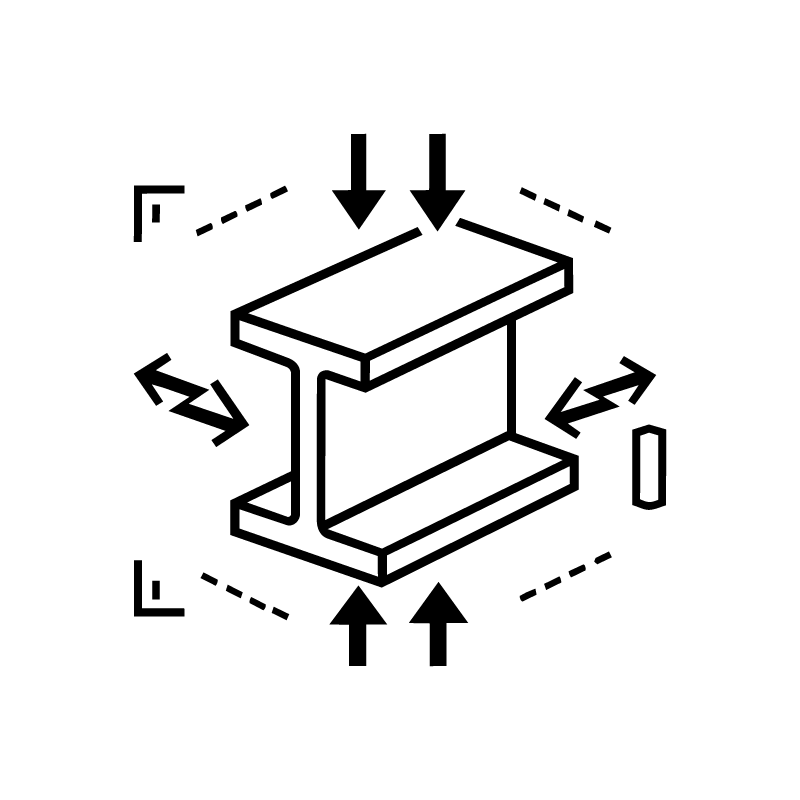
I-beam is best understood as a structural object—specifically, a steel beam shaped like a capital “I” that is engineered to carry heavy loads efficiently with minimal material. Its design maximises strength and stability in construction and architectural frameworks, making it a fundamental component in building large-scale structures.
I-beam is best understood as a structural object—specifically, a steel beam shaped like a capital “I” that is engineered to carry heavy loads efficiently with minimal material. Its design maximises strength and stability in construction and architectural frameworks, making it a fundamental component in building large-scale structures.
Themes: Efficiency and support in construction.
The I-beam embodies the theme of efficiency in material use and structural support. Its widespread adoption in engineering and architecture highlights its role in enabling safe, cost-effective, and scalable construction practices.
The I-beam embodies the theme of efficiency in material use and structural support. Its widespread adoption in engineering and architecture highlights its role in enabling safe, cost-effective, and scalable construction practices.
Nuance: Optimised cross-sectional geometry.
What distinguishes the I-beam within its category is its optimised cross-sectional shape, which provides high strength-to-weight ratio. This unique geometry allows it to bear significant loads while minimising material usage, setting it apart from other structural elements.
What distinguishes the I-beam within its category is its optimised cross-sectional shape, which provides high strength-to-weight ratio. This unique geometry allows it to bear significant loads while minimising material usage, setting it apart from other structural elements.