How to understand intergenerational dynamics in context
Main-category: Society
Sub-category: Social structure
Sub-category: Social structure
Contextual explanation: Patterns of interaction and influence between generations.
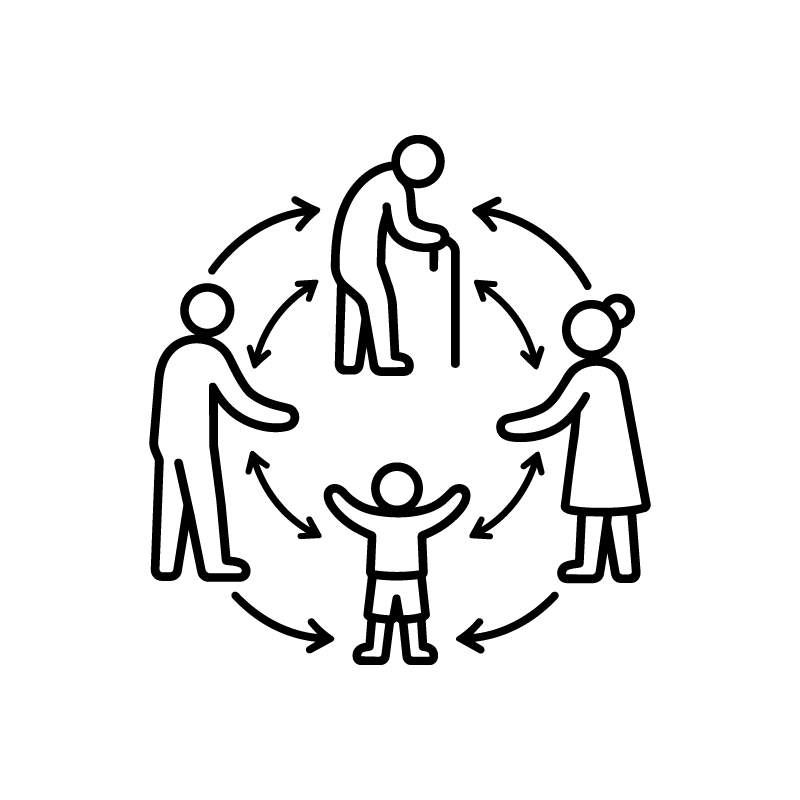
Intergenerational Dynamics is best understood as a feature of social structure—specifically, the ongoing patterns of interaction, influence, exchange, and adaptation that occur between different generations within a society. It encompasses how values, knowledge, resources, and social behaviours are transmitted, negotiated, and sometimes contested across age groups, shaping both continuity and change over time.
Intergenerational Dynamics is best understood as a feature of social structure—specifically, the ongoing patterns of interaction, influence, exchange, and adaptation that occur between different generations within a society. It encompasses how values, knowledge, resources, and social behaviours are transmitted, negotiated, and sometimes contested across age groups, shaping both continuity and change over time.
Themes: Continuity and adaptation.
The theme of continuity is central, as intergenerational dynamics ensure the transfer of cultural, social, and material legacies. Adaptation is equally important, since each generation both inherits and reshapes these legacies in response to new challenges and contexts, fostering societal evolution.
The theme of continuity is central, as intergenerational dynamics ensure the transfer of cultural, social, and material legacies. Adaptation is equally important, since each generation both inherits and reshapes these legacies in response to new challenges and contexts, fostering societal evolution.
Nuance: Mutual influence and negotiation.
What distinguishes intergenerational dynamics within the category of social structure is the emphasis on mutual influence and negotiation—generations are not passive recipients but active participants, engaging in cooperation, tension, learning, and responsibility. This dynamic interplay shapes identities, expectations, and the broader trajectory of social development.
What distinguishes intergenerational dynamics within the category of social structure is the emphasis on mutual influence and negotiation—generations are not passive recipients but active participants, engaging in cooperation, tension, learning, and responsibility. This dynamic interplay shapes identities, expectations, and the broader trajectory of social development.