How to understand qanat in context
Main-category: Object
Sub-category: Structure
Sub-category: Structure
Contextual explanation: Subterranean water-conveyance structure.
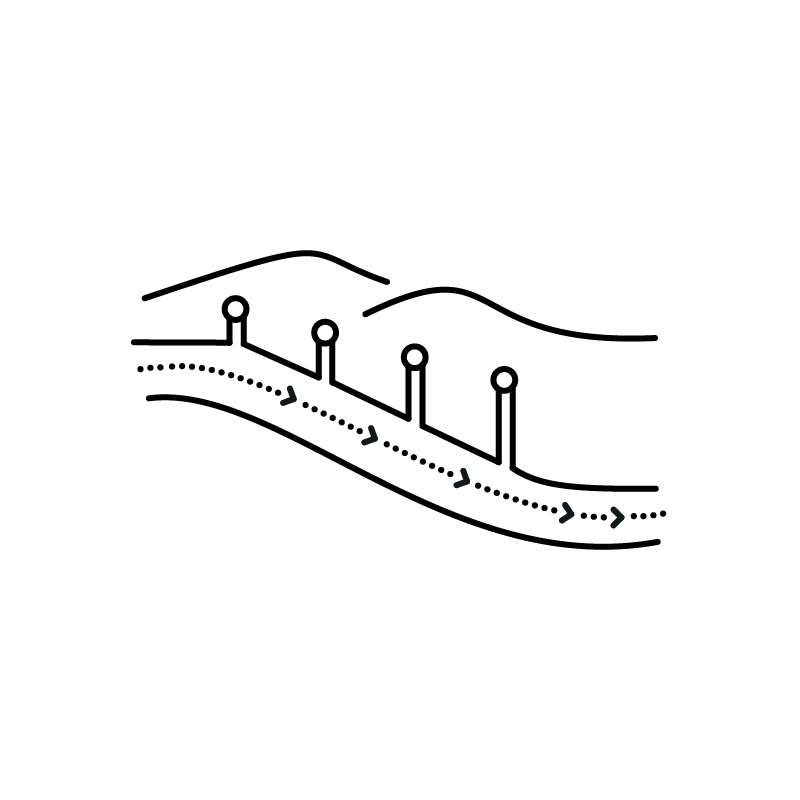
Qanat is best understood as a structure—specifically, an underground aqueduct system designed to transport groundwater to the surface using gravity. It consists of gently sloping tunnels and vertical shafts, enabling sustainable irrigation and water supply in arid environments without the need for mechanical pumping.
Qanat is best understood as a structure—specifically, an underground aqueduct system designed to transport groundwater to the surface using gravity. It consists of gently sloping tunnels and vertical shafts, enabling sustainable irrigation and water supply in arid environments without the need for mechanical pumping.
Themes: Sustainable resource management and adaptation to environment.
Qanats embody the theme of sustainable resource management, as they represent an ingenious adaptation to water scarcity in dry regions. By harnessing natural gradients and underground water sources, qanats enable communities to thrive in otherwise inhospitable landscapes, reflecting a deep understanding of environmental constraints and long-term stewardship.
Qanats embody the theme of sustainable resource management, as they represent an ingenious adaptation to water scarcity in dry regions. By harnessing natural gradients and underground water sources, qanats enable communities to thrive in otherwise inhospitable landscapes, reflecting a deep understanding of environmental constraints and long-term stewardship.
Nuance: Passive, gravity-fed hydraulic engineering.
What distinguishes the qanat within its category is its passive, gravity-driven design. Unlike surface canals or modern pumps, qanats rely solely on careful engineering of underground channels and slopes, minimising evaporation and energy use. This unique approach highlights the sophistication of ancient hydraulic engineering and its enduring relevance in sustainable water management.
What distinguishes the qanat within its category is its passive, gravity-driven design. Unlike surface canals or modern pumps, qanats rely solely on careful engineering of underground channels and slopes, minimising evaporation and energy use. This unique approach highlights the sophistication of ancient hydraulic engineering and its enduring relevance in sustainable water management.