How to understand 404 (not found) in context
Main-category: Technology
Sub-category: Networks
Sub-category: Networks
Contextual explanation: HTTP status code for resource not found.
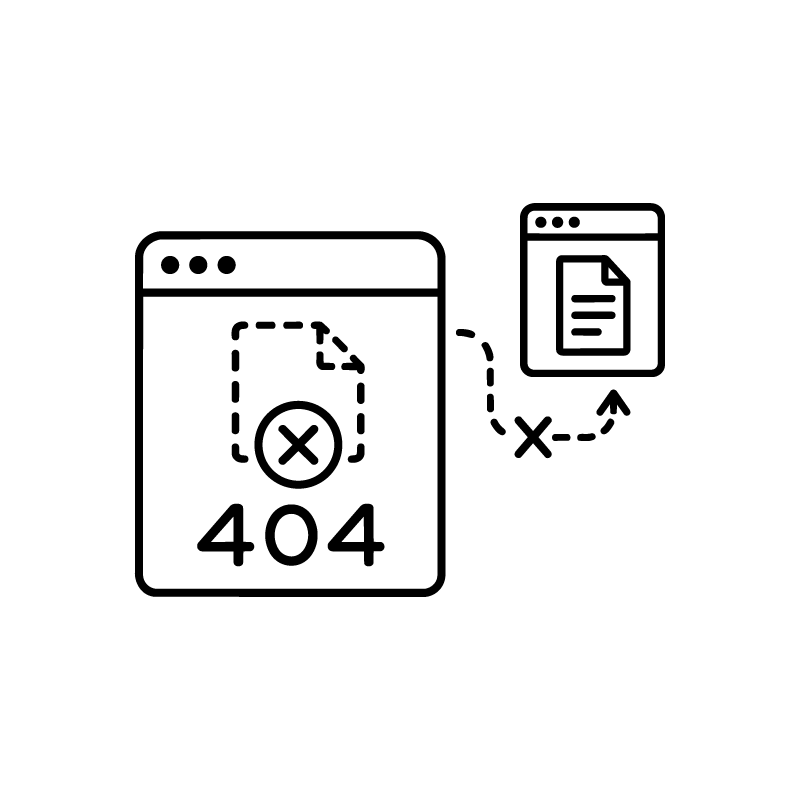
404 is best understood as a technology concept—specifically, a standard response code in computer networks indicating that the server could not find the requested web page or resource. It signals to users and systems that the desired content is unavailable at the specified address.
404 is best understood as a technology concept—specifically, a standard response code in computer networks indicating that the server could not find the requested web page or resource. It signals to users and systems that the desired content is unavailable at the specified address.
Themes: Communication and response.
The 404 code is central to the theme of digital communication and system response, as it represents how web servers communicate errors and status to users and applications, ensuring clarity in digital interactions.
The 404 code is central to the theme of digital communication and system response, as it represents how web servers communicate errors and status to users and applications, ensuring clarity in digital interactions.
Nuance: Standardised error signalling.
What distinguishes the 404 code within its category is its role as a universally recognised signal for a specific type of error—resource absence—enabling consistent handling and troubleshooting across the internet.
What distinguishes the 404 code within its category is its role as a universally recognised signal for a specific type of error—resource absence—enabling consistent handling and troubleshooting across the internet.