How to understand attentional shifting in context
Main-category: Cognition
Sub-category: Attention
Sub-category: Attention
Contextual explanation: Shifting focus between stimuli or tasks.
Attentional shifting is best understood as a cognitive process—specifically, the ability to move one’s focus from one stimulus, task, or location to another. This function is essential for adapting to changing environments, managing multiple demands, and efficiently allocating mental resources.
Attentional shifting is best understood as a cognitive process—specifically, the ability to move one’s focus from one stimulus, task, or location to another. This function is essential for adapting to changing environments, managing multiple demands, and efficiently allocating mental resources.
Themes: Cognitive flexibility and control.
Attentional shifting is central to the theme of cognitive flexibility, as it enables individuals to adapt their focus in response to new information or changing priorities. It is also closely linked to executive control, supporting goal-directed behavior and effective task management.
Attentional shifting is central to the theme of cognitive flexibility, as it enables individuals to adapt their focus in response to new information or changing priorities. It is also closely linked to executive control, supporting goal-directed behavior and effective task management.
Nuance: Dynamic reallocation of attention.
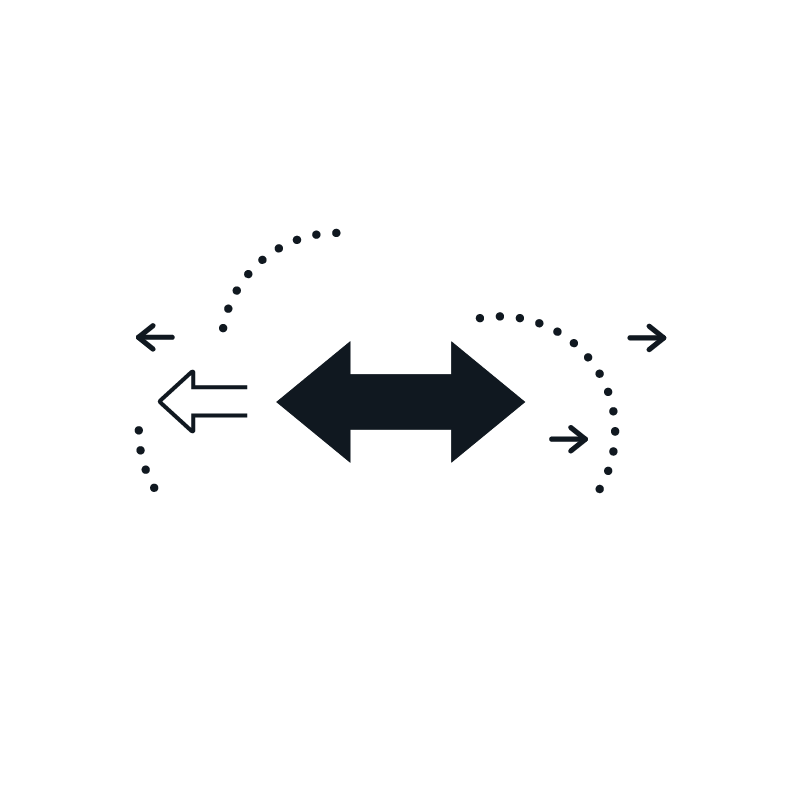
What distinguishes attentional shifting within its category is its dynamic nature—the emphasis is on the active, moment-to-moment reallocation of attention, rather than sustained focus or divided attention. This nuance highlights the process of disengaging from one focus and engaging with another, which is critical for adaptive thinking and behavior.
What distinguishes attentional shifting within its category is its dynamic nature—the emphasis is on the active, moment-to-moment reallocation of attention, rather than sustained focus or divided attention. This nuance highlights the process of disengaging from one focus and engaging with another, which is critical for adaptive thinking and behavior.