How to understand bouncing back in context
Main-category: Process
Sub-category: Adaptation
Sub-category: Adaptation
Contextual explanation: Rapid recovery and adjustment after setbacks.
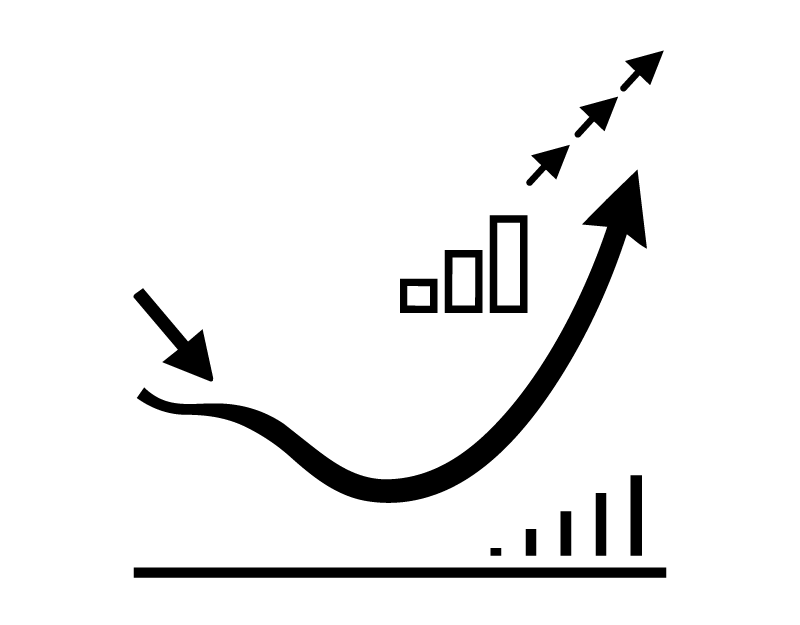
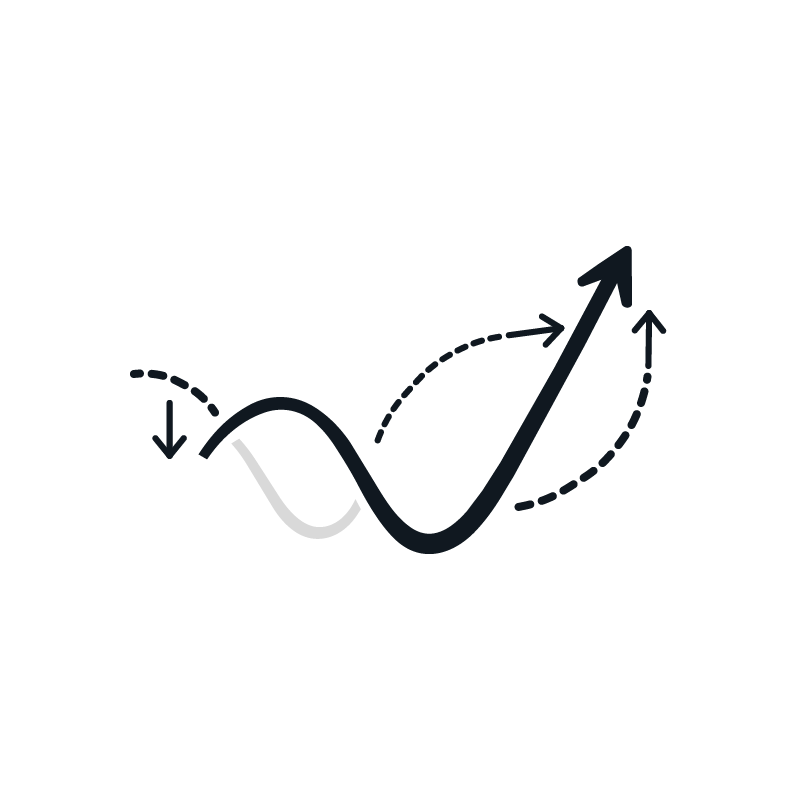
Bouncing back is best understood as a process—specifically, the act of adapting and regaining stability, strength, or confidence following a difficulty or setback. It involves a dynamic adjustment to adverse circumstances, enabling individuals or systems to return to a functional or improved state.
Bouncing back is best understood as a process—specifically, the act of adapting and regaining stability, strength, or confidence following a difficulty or setback. It involves a dynamic adjustment to adverse circumstances, enabling individuals or systems to return to a functional or improved state.
Themes: Recovery and resilience.
Bouncing back is central to the theme of resilience, as it highlights the capacity to withstand challenges and recover from adversity. It is also closely linked to recovery, emphasizing the process of regaining lost ground or restoring balance after disruption.
Bouncing back is central to the theme of resilience, as it highlights the capacity to withstand challenges and recover from adversity. It is also closely linked to recovery, emphasizing the process of regaining lost ground or restoring balance after disruption.
Nuance: Speed and positivity of response.
What distinguishes bouncing back within its category is the emphasis on the quickness and positivity of the response—it's not just about adapting, but doing so with a sense of renewed strength, optimism, or confidence, often leading to growth or improved capability.
What distinguishes bouncing back within its category is the emphasis on the quickness and positivity of the response—it's not just about adapting, but doing so with a sense of renewed strength, optimism, or confidence, often leading to growth or improved capability.