How to understand generational transitionism in context
Main-category: Process
Sub-category: Adaptation
Sub-category: Adaptation
Contextual explanation: Ongoing adaptation and transfer across generations.
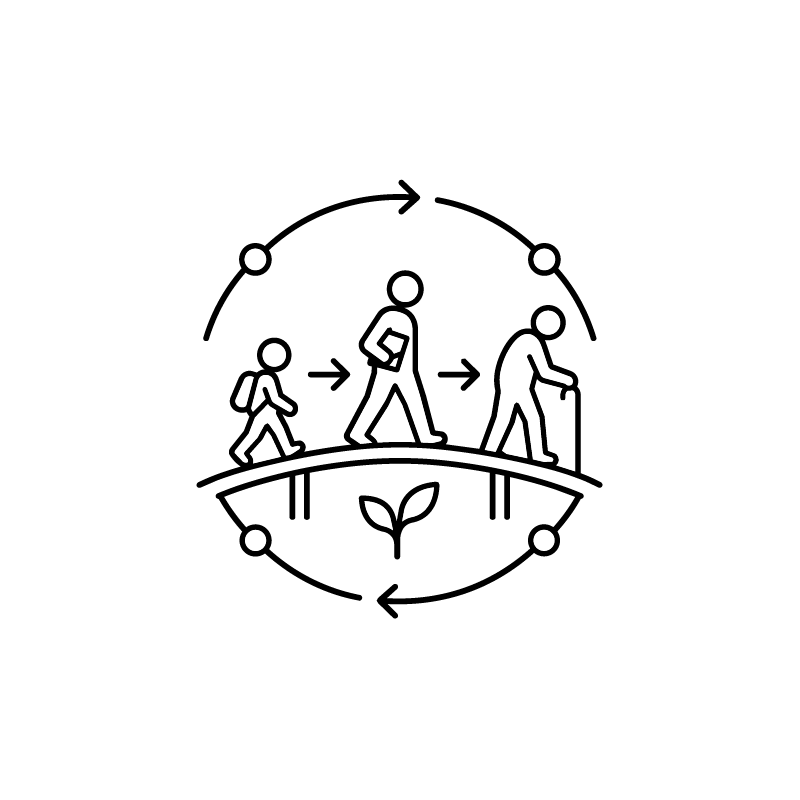
Generational Transitionism is best understood as a process—specifically, the ongoing adaptation and transfer of knowledge, values, responsibilities, leadership, resources, identities, and societal structures from one generation to the next. This process preserves continuity while enabling renewal and evolution within families, organisations, and societies.
Generational Transitionism is best understood as a process—specifically, the ongoing adaptation and transfer of knowledge, values, responsibilities, leadership, resources, identities, and societal structures from one generation to the next. This process preserves continuity while enabling renewal and evolution within families, organisations, and societies.
Themes: Continuity and renewal.
Generational Transitionism is central to the theme of continuity, as it ensures the persistence of core elements across time. Simultaneously, it embodies renewal, since each generational handover allows for adaptation, reinterpretation, and the introduction of new perspectives or practices.
Generational Transitionism is central to the theme of continuity, as it ensures the persistence of core elements across time. Simultaneously, it embodies renewal, since each generational handover allows for adaptation, reinterpretation, and the introduction of new perspectives or practices.
Nuance: Intergenerational adaptation.
What distinguishes Generational Transitionism within its category is its focus on the dynamic interplay between preservation and change. Unlike simple inheritance or static tradition, this concept emphasises the active, adaptive process by which each generation both receives and reshapes what is passed down, ensuring relevance and vitality in changing contexts.
What distinguishes Generational Transitionism within its category is its focus on the dynamic interplay between preservation and change. Unlike simple inheritance or static tradition, this concept emphasises the active, adaptive process by which each generation both receives and reshapes what is passed down, ensuring relevance and vitality in changing contexts.