How to understand breakwater in context
Main-category: Object
Sub-category: Structure
Sub-category: Structure
Contextual explanation: Coastal protective structure.
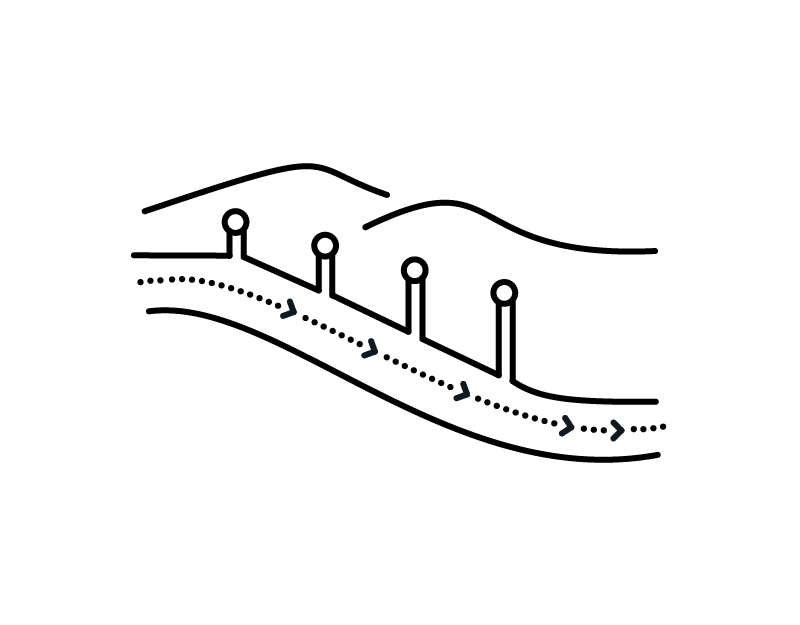
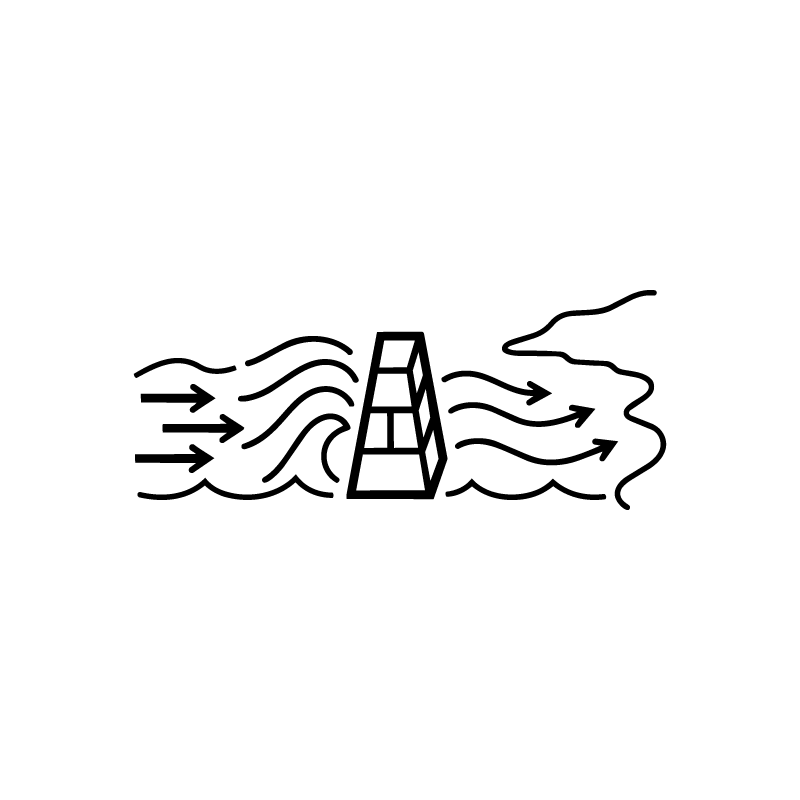
Breakwater is best understood as a structure—specifically, a large, solid construction extending from the shore into the sea, designed to shield harbours or beaches from the force of waves. Its primary role is to absorb and deflect wave energy, thereby reducing coastal erosion and providing calmer waters behind the barrier for safe anchorage or recreation.
Breakwater is best understood as a structure—specifically, a large, solid construction extending from the shore into the sea, designed to shield harbours or beaches from the force of waves. Its primary role is to absorb and deflect wave energy, thereby reducing coastal erosion and providing calmer waters behind the barrier for safe anchorage or recreation.
Themes: Protection and environmental modification.
Breakwater relates to the theme of protection, as it serves to safeguard coastal areas and human activities from natural marine forces. It also embodies environmental modification, since its presence alters wave patterns and can reshape local ecosystems and shorelines.
Breakwater relates to the theme of protection, as it serves to safeguard coastal areas and human activities from natural marine forces. It also embodies environmental modification, since its presence alters wave patterns and can reshape local ecosystems and shorelines.
Nuance: Engineered coastal defence.
What distinguishes breakwater within its category is its engineered purpose as a coastal defence mechanism. Unlike natural formations or general structures, a breakwater is intentionally designed and constructed to perform a specific protective function against wave action, often requiring specialised materials and engineering expertise.
What distinguishes breakwater within its category is its engineered purpose as a coastal defence mechanism. Unlike natural formations or general structures, a breakwater is intentionally designed and constructed to perform a specific protective function against wave action, often requiring specialised materials and engineering expertise.