How to understand clear distinction in context
Main-category: Quality
Sub-category: Characteristic
Sub-category: Characteristic
Contextual explanation: Immediate recognisability of differences.
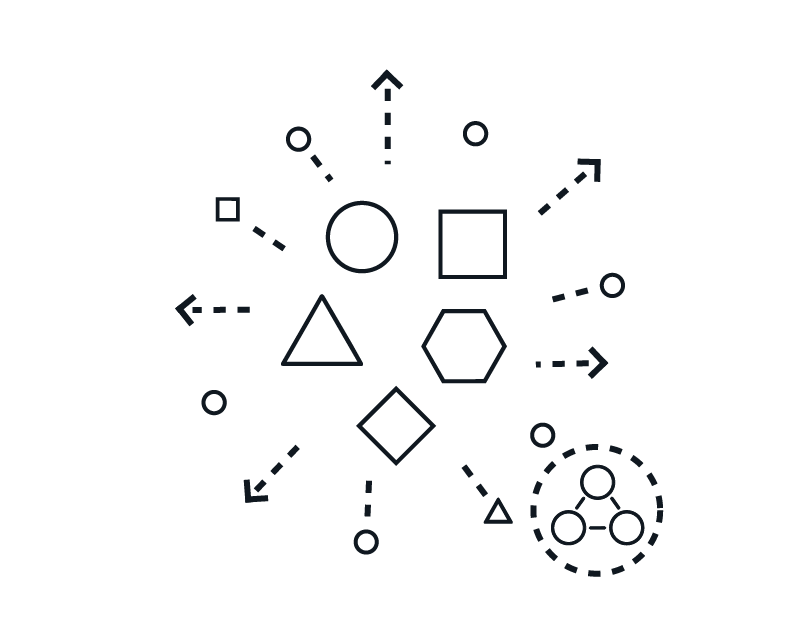
Clear distinction is best understood as a quality—specifically, the characteristic that makes differences between things immediately recognisable, unambiguous, and easy to identify. It enables observers to quickly and reliably tell things apart, reducing confusion and supporting precise understanding or decision-making.
Clear distinction is best understood as a quality—specifically, the characteristic that makes differences between things immediately recognisable, unambiguous, and easy to identify. It enables observers to quickly and reliably tell things apart, reducing confusion and supporting precise understanding or decision-making.
Themes: Clarity and differentiation.
Clear distinction is central to the theme of clarity, as it removes ambiguity and sharpens perception. It is also closely tied to differentiation, since it highlights what sets things apart, making boundaries or categories more evident in any context—be it ideas, objects, or actions.
Clear distinction is central to the theme of clarity, as it removes ambiguity and sharpens perception. It is also closely tied to differentiation, since it highlights what sets things apart, making boundaries or categories more evident in any context—be it ideas, objects, or actions.
Nuance: Unambiguous separation.
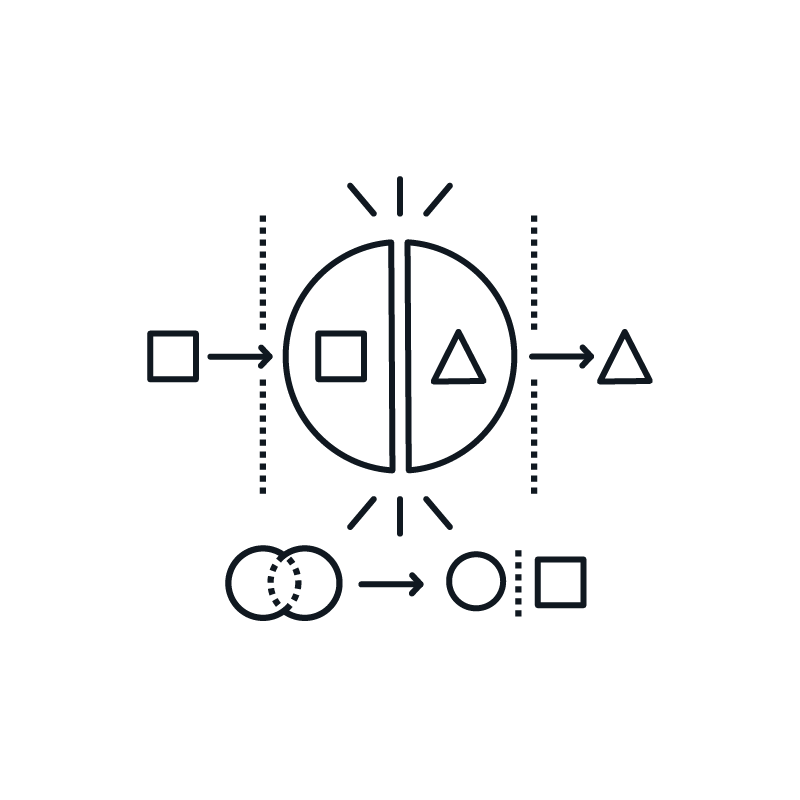
What distinguishes clear distinction within its category is its emphasis on unambiguous separation—the focus is on making contrasts so evident that misinterpretation or overlap is minimised. This nuance is especially important in contexts where precision and accuracy are critical, such as classification, communication, or analysis.
What distinguishes clear distinction within its category is its emphasis on unambiguous separation—the focus is on making contrasts so evident that misinterpretation or overlap is minimised. This nuance is especially important in contexts where precision and accuracy are critical, such as classification, communication, or analysis.