How to understand Dab in context.
Main-category: Action
Sub-category: Movement
Sub-category: Movement
Contextual explanation: Quick, stylised dance gesture.
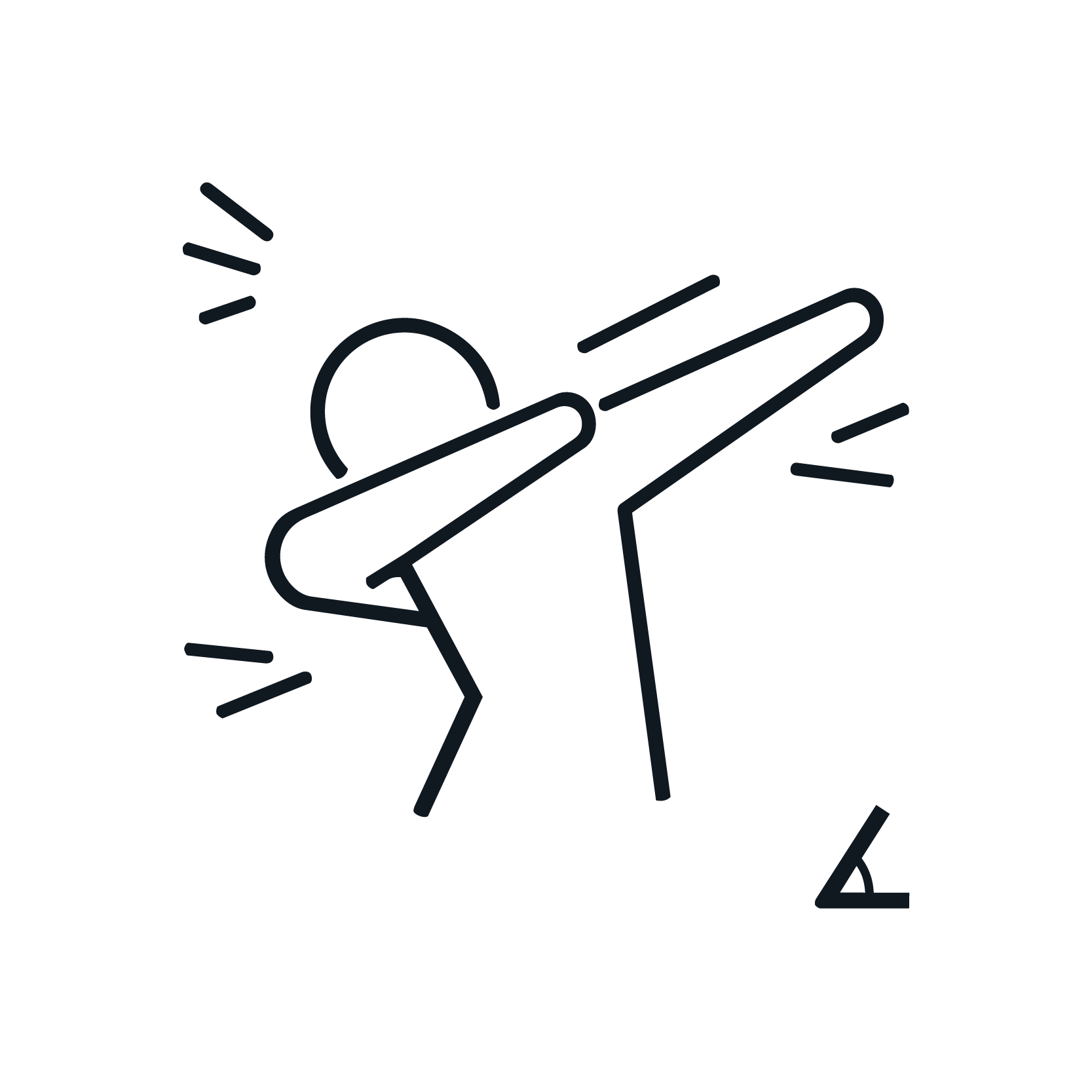
Dab is best understood as a movement—specifically, a rapid, stylised pose where one arm bends across the face and the other angles upward. This gesture is commonly used to express confidence, celebration, or a playful attitude, often in social or performance settings.
Dab is best understood as a movement—specifically, a rapid, stylised pose where one arm bends across the face and the other angles upward. This gesture is commonly used to express confidence, celebration, or a playful attitude, often in social or performance settings.
Themes: Expression and celebration.
Dab is closely tied to the theme of expression, as it serves as a nonverbal way to communicate emotion or attitude. It is also associated with celebration, marking moments of achievement or joy in a visually distinctive manner.
Dab is closely tied to the theme of expression, as it serves as a nonverbal way to communicate emotion or attitude. It is also associated with celebration, marking moments of achievement or joy in a visually distinctive manner.
Nuance: Contemporary cultural gesture.
What distinguishes the dab within its category is its status as a modern, culturally significant gesture that blends elements of dance, performance, and social signaling. Unlike traditional dance moves, the dab is notable for its simplicity, recognisability, and widespread adoption as a symbol of playful confidence.
What distinguishes the dab within its category is its status as a modern, culturally significant gesture that blends elements of dance, performance, and social signaling. Unlike traditional dance moves, the dab is notable for its simplicity, recognisability, and widespread adoption as a symbol of playful confidence.