How to understand drought in context
Main-category: Nature
Sub-category: Environment
Sub-category: Environment
Contextual explanation: Prolonged shortage of water due to low rainfall.
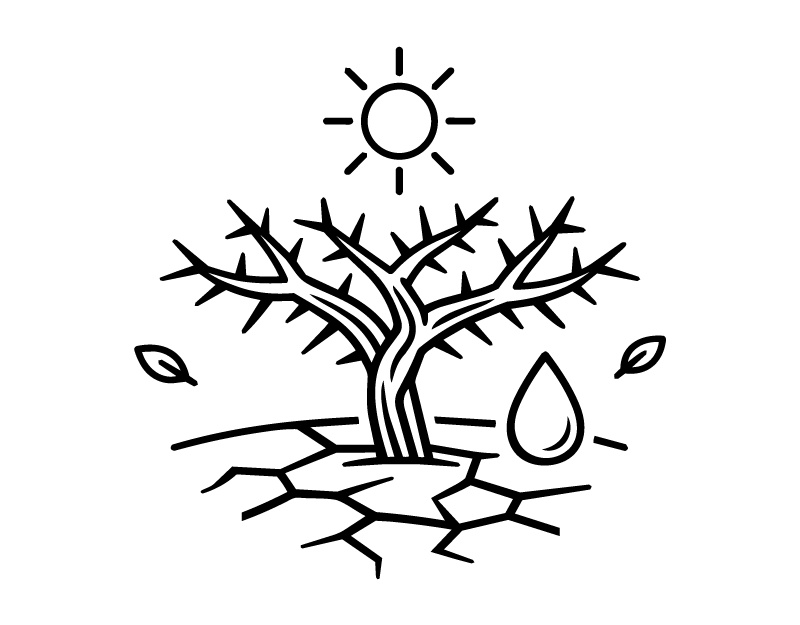
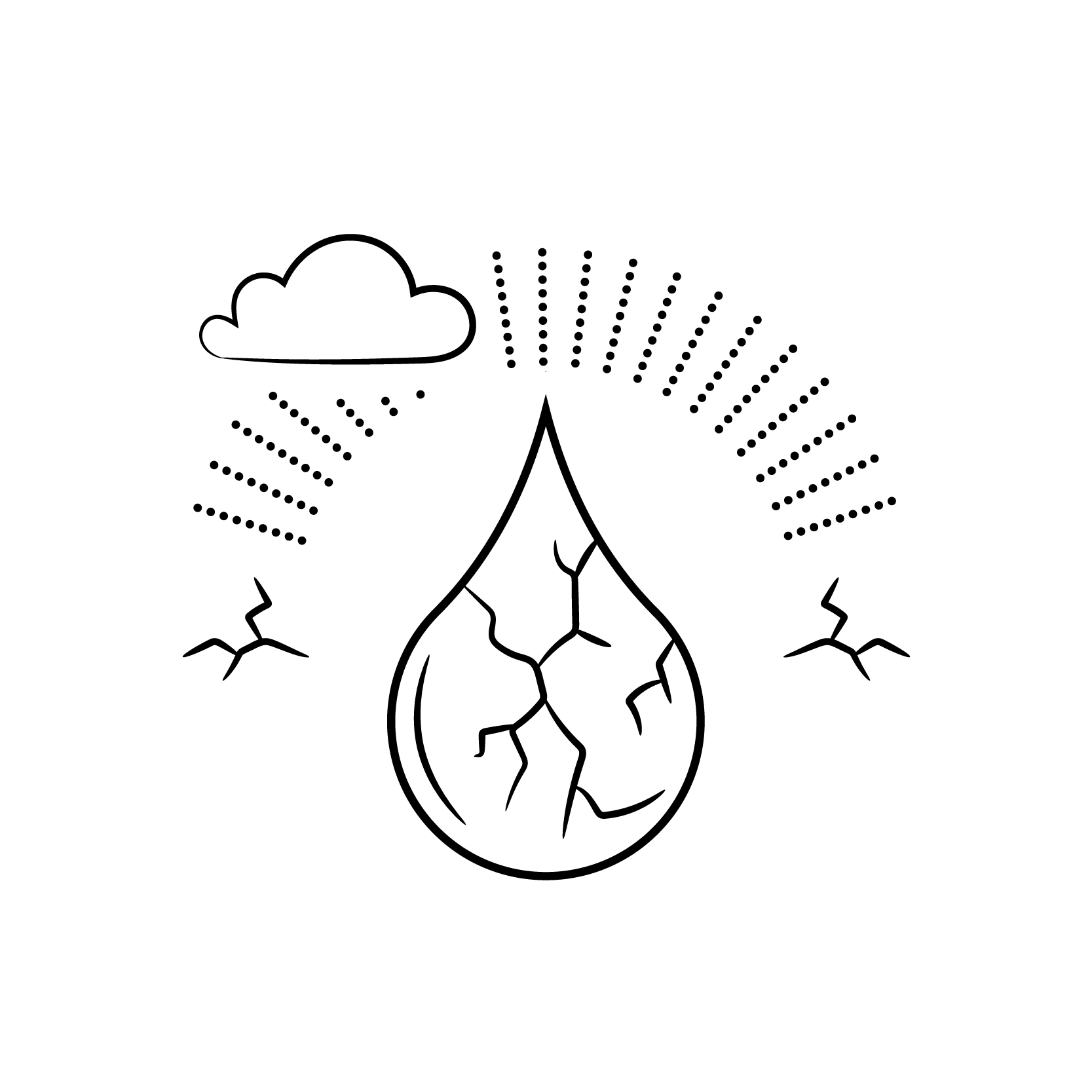
Drought is best understood as a condition within the natural environment—specifically, a prolonged period of insufficient rainfall that results in a significant shortage of water in soil, rivers, lakes, and groundwater. This environmental state disrupts ecosystems, agriculture, and human activities by limiting water availability.
Drought is best understood as a condition within the natural environment—specifically, a prolonged period of insufficient rainfall that results in a significant shortage of water in soil, rivers, lakes, and groundwater. This environmental state disrupts ecosystems, agriculture, and human activities by limiting water availability.
Themes: Environmental stress and resource scarcity.
Drought is central to the theme of environmental stress, as it places pressure on natural systems and human societies by reducing water resources. It also highlights the theme of resource scarcity, emphasising the challenges faced when a vital resource becomes limited over an extended period.
Drought is central to the theme of environmental stress, as it places pressure on natural systems and human societies by reducing water resources. It also highlights the theme of resource scarcity, emphasising the challenges faced when a vital resource becomes limited over an extended period.
Nuance: Persistent natural imbalance.
What distinguishes drought within its category is its persistence and the imbalance it creates in the natural water cycle. Unlike brief dry spells, droughts are characterised by their duration and the widespread impact on both ecological and human systems.
What distinguishes drought within its category is its persistence and the imbalance it creates in the natural water cycle. Unlike brief dry spells, droughts are characterised by their duration and the widespread impact on both ecological and human systems.