How to understand solar eclipse in context
Main-category: Nature
Sub-category: Nature
Sub-category: Nature
Contextual explanation: Celestial alignment causing temporary obscuration of sunlight.
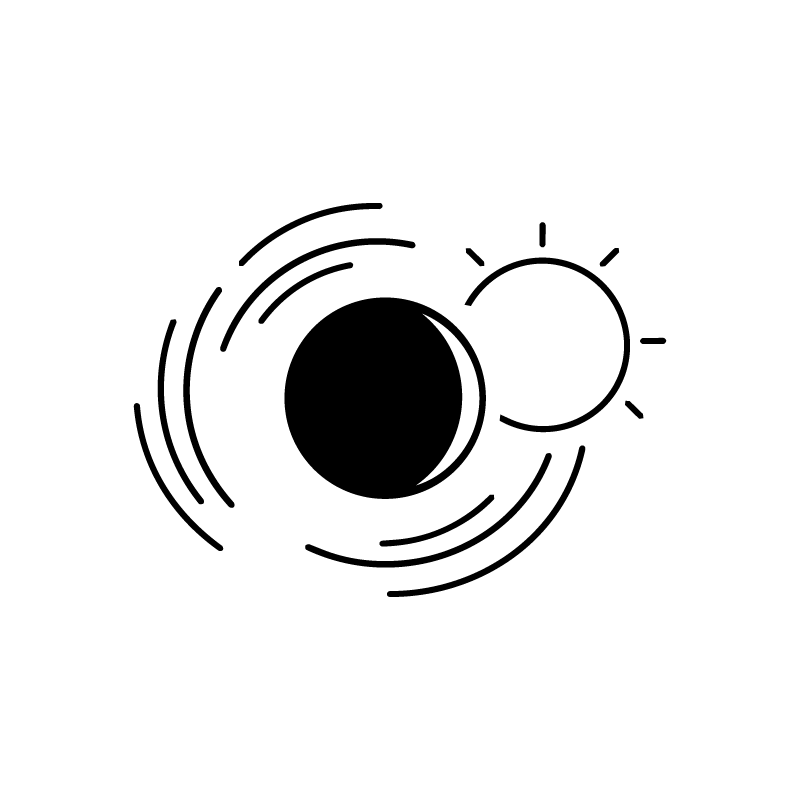
A solar eclipse is best understood as a natural phenomenon in which the Moon moves between the Earth and the Sun, resulting in the partial or total blocking of sunlight from reaching the Earth's surface. This event is a striking example of the dynamic interactions within our solar system and highlights the predictable yet rare alignments that occur in nature.
A solar eclipse is best understood as a natural phenomenon in which the Moon moves between the Earth and the Sun, resulting in the partial or total blocking of sunlight from reaching the Earth's surface. This event is a striking example of the dynamic interactions within our solar system and highlights the predictable yet rare alignments that occur in nature.
Themes: Astronomical events and cycles.
Solar eclipses are central to the theme of astronomical events, as they are part of the broader cycles and patterns observed in the cosmos. These events have fascinated humans for millennia, inspiring scientific inquiry, cultural interpretations, and public interest in celestial mechanics.
Solar eclipses are central to the theme of astronomical events, as they are part of the broader cycles and patterns observed in the cosmos. These events have fascinated humans for millennia, inspiring scientific inquiry, cultural interpretations, and public interest in celestial mechanics.
Nuance: Temporary and predictable natural occurrence.
What distinguishes a solar eclipse within its category is its temporary nature and the precise predictability of its occurrence. Unlike other natural phenomena, solar eclipses can be forecast with great accuracy, and their fleeting duration makes them both rare and highly anticipated events in the study of nature.
What distinguishes a solar eclipse within its category is its temporary nature and the precise predictability of its occurrence. Unlike other natural phenomena, solar eclipses can be forecast with great accuracy, and their fleeting duration makes them both rare and highly anticipated events in the study of nature.