How to understand gap in context
Main-category: Space
Sub-category: Space
Sub-category: Space
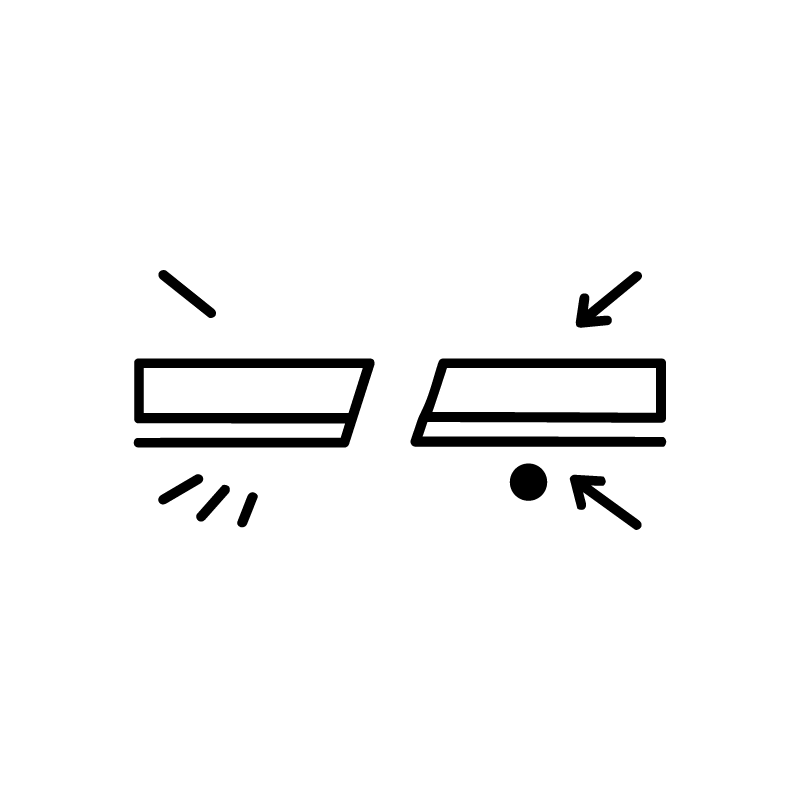
Contextual explanation: Separation or interval between elements.
Gap is best understood as a spatial or conceptual separation—an interval, break, or distance between two points, ideas, or elements. It can indicate absence, discontinuity, or the presence of an opportunity for connection or change.
Gap is best understood as a spatial or conceptual separation—an interval, break, or distance between two points, ideas, or elements. It can indicate absence, discontinuity, or the presence of an opportunity for connection or change.
Themes: Absence and potential.
Gap is central to the theme of absence, as it highlights what is missing or not present between elements. It also relates to potential, since a gap often represents an opportunity for bridging, improvement, or transformation.
Gap is central to the theme of absence, as it highlights what is missing or not present between elements. It also relates to potential, since a gap often represents an opportunity for bridging, improvement, or transformation.
Nuance: Opportunity for connection or change.
What distinguishes gap within its category is its dual nature: it not only marks a separation or lack, but also signals the possibility for something new to emerge—whether that is a solution, relationship, or innovation.
What distinguishes gap within its category is its dual nature: it not only marks a separation or lack, but also signals the possibility for something new to emerge—whether that is a solution, relationship, or innovation.