
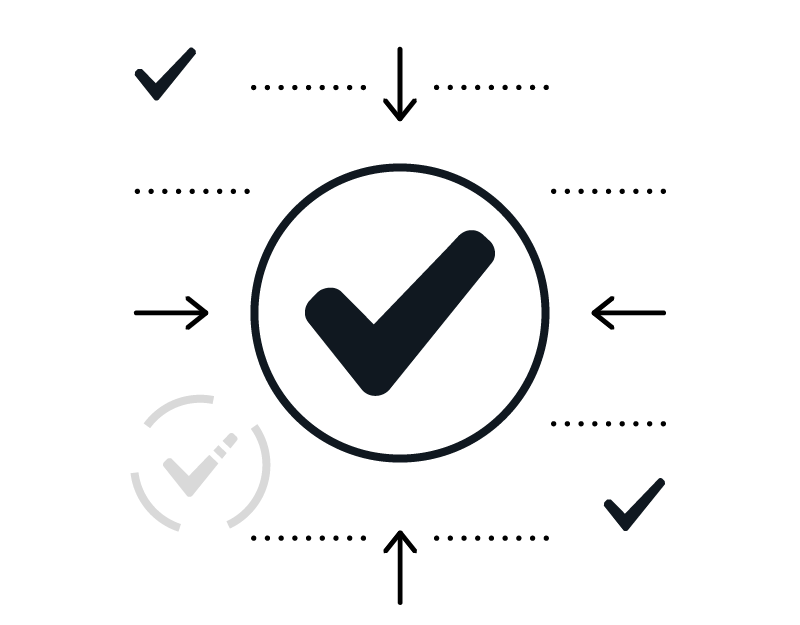
Absolute compliance
Full, unconditional adherence to a rule, requirement, standard, or directive with no exceptions or deviations.
Themes: Control and enforcement.
Nuance: Unconditional adherence.
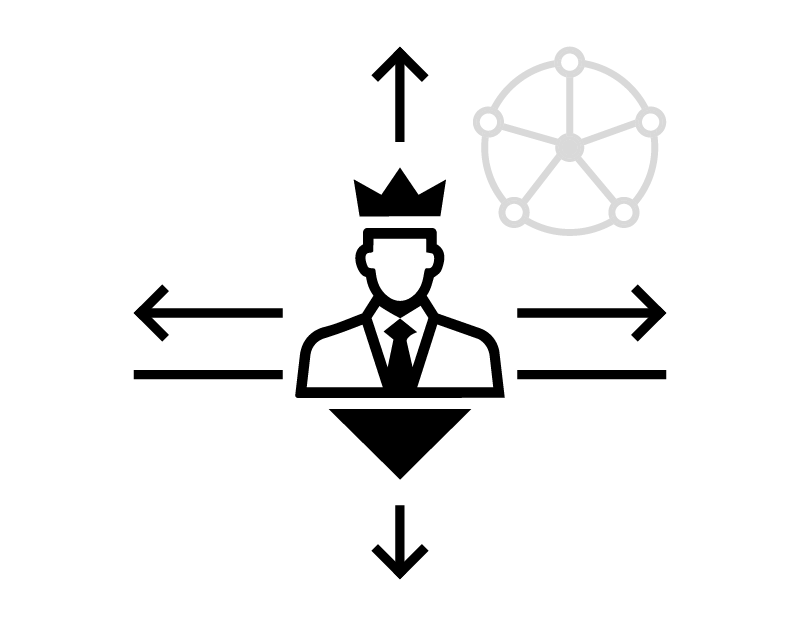
Authoritarian leadership
A leadership style where the leader makes decisions alone, maintains strict control, and expects complete compliance from followers.
Themes: Power and control in group dynamics.
Nuance: Unilateral decision-making and strict compliance.
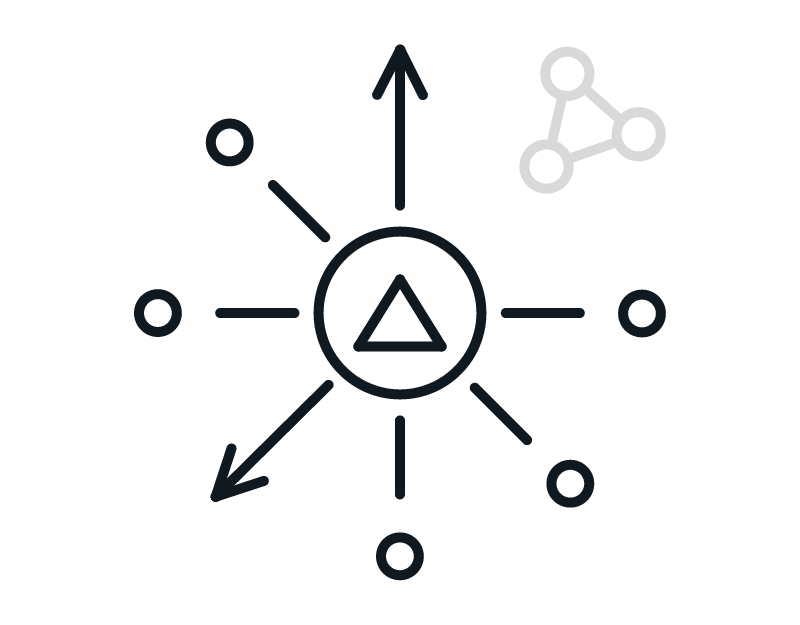
Centralised management
Decision making and control are concentrated in one central authority, rather than being spread across multiple individuals or locations.
Themes: Control and coordination.
Nuance: Top-down governance.
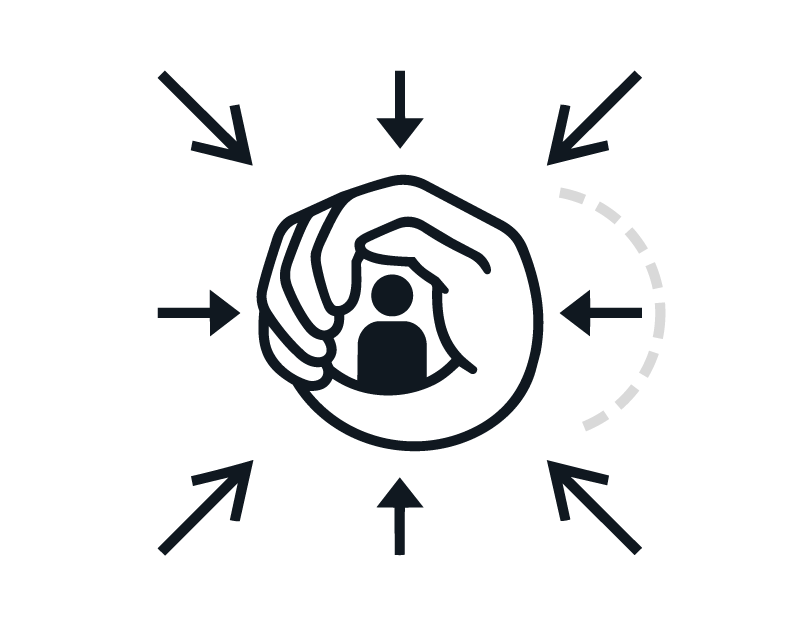
Coercive control
A deliberate, ongoing pattern of behaviours used to dominate, isolate, and entrap another person, stripping away their freedom and autonomy.
Themes: Power dynamics and manipulation.
Nuance: Non-physical, psychological domination.
Hobnobbing
Mixing socially with influential, wealthy, famous, or high-status people, often to build connections or gain social advantages.
Themes: Social mobility and networking.
Nuance: Strategic social positioning.
Abactor
A person who steals cattle or livestock; historically a rustler involved in the covert taking and driving away of animals.
Themes: Crime and property loss.
Nuance: Livestock-specific theft.

Abaddon
A term signifying destruction, the abyss, or a realm of ruin—often depicted as a force or place of annihilation and unmaking.
Themes: Finality and dissolution.
Nuance: Absolute annihilation.

Abandon
To abandon is to leave something behind deliberately—letting go of control, connection, responsibility, or attachment.
Themes: Letting go and separation.
Nuance: Intentional withdrawal.
Accession
A formal act of gaining a position, joining an agreement or organisation, or adding something to a collection.
Themes: Transition and inclusion.
Nuance: Formalised entry or addition.
Accidental outcomes
Results or consequences that occur unintentionally or by chance, rather than being planned, expected, or deliberately caused.
Themes: Unpredictability and causality.
Nuance: Unintentional consequence.
Acquiesce
To accept, agree to, or comply with something—often reluctantly, quietly, or without protest.
Themes: Communication and response.
Nuance: Passive compliance.

Aggressive behaviour
Any action intended to harm a person, animal, or object—physically, verbally, or socially. The key element is intent to cause harm.
Themes: Conflict and harm.
Nuance: Intentionality of harm.

Anxiety driven repetition
A pattern of repeating thoughts or behaviours triggered by anxiety, aiming to reduce distress, prevent feared outcomes, or regain a sense of control.
Themes: Control and coping.
Nuance: Anxiety-triggered compulsion.
Apparent horizon
The local boundary of a black hole on a spacelike slice of spacetime, where outgoing light rays have zero expansion.
Themes: Relativity and observation.
Nuance: Local, observer-dependent boundary.
Appetitive aggression
A form of aggressive behaviour driven by positive feelings, where an individual seeks and enjoys committing violent acts for pleasure or excitement.
Themes: Motivation and emotional drivers of behaviour.
Nuance: Pleasure-seeking violence.
Attunement in psychology
The psychological skill of deeply noticing and responding to another person’s emotional state in a way that creates connection, regulation, and mutual understanding.
Themes: Emotional connection and regulation.
Nuance: Interpersonal synchrony.
Attunement in relationships
The skill of tuning in to another person’s inner world and responding in a way that helps them feel understood, safe, and connected.
Themes: emotional and social connection

Autonomic control
The regulation of involuntary body functions—things your body does automatically without conscious effort—by the autonomic nervous system (ANS).
Themes: Automaticity and homeostasis.
Nuance: Involuntary physiological regulation.

Babacoote
A babacoote is a brief, coordinated burst of lively motion or behaviour, marked by rhythm, playfulness, and quick collective energy.
Themes: Collective energy and playfulness.
Nuance: Rhythmic, playful synchrony.

Better decision making
The process of choosing actions or solutions through clarity, balance, and informed evaluation rather than impulse or bias.
Themes: Clarity and informed evaluation.
Nuance: Deliberate and unbiased choice.

Body management
The skills and strategies used to control, coordinate, and care for the body, especially in physical activity, health, and daily functioning.
Themes: Physical autonomy and self-care.
Nuance: Integrated coordination.
Boundary setting
Communicating clear limits about what you will and will not accept or do in relationships, work, or daily interactions.
Themes: interpersonal communication and relationship management
Breath pacing
The conscious regulation of breathing speed, rhythm, and depth to achieve a steady, calming pattern.
Themes: Self-regulation and wellbeing.
Nuance: Voluntary modulation.

Cee-spring
A “cee‑spring” is a catalytic upward shift — a moment of release, activation, or forward motion that triggers renewed momentum.
Themes: Momentum and transformation.
Nuance: Triggered activation.

Clinical behaviour
Observable actions, thoughts, and emotional responses in a healthcare or therapeutic context that can be analysed to understand and change them.
Themes: Observation and intervention.
Nuance: Context-specific and modifiable.

Coercion
The use of force, threats, intimidation, or pressure to make someone act against their will.
Themes: Power and control.
Nuance: Involuntary compliance.
Compulsion
A strong pressure or irresistible urge that drives someone to act, even against their will or when the behaviour is hard to control.
Themes: Control and autonomy.
Nuance: Involuntary behavioural drive.
Creation
The act of bringing something into existence.
Themes: Origination and innovation.
Nuance: Act of origination.
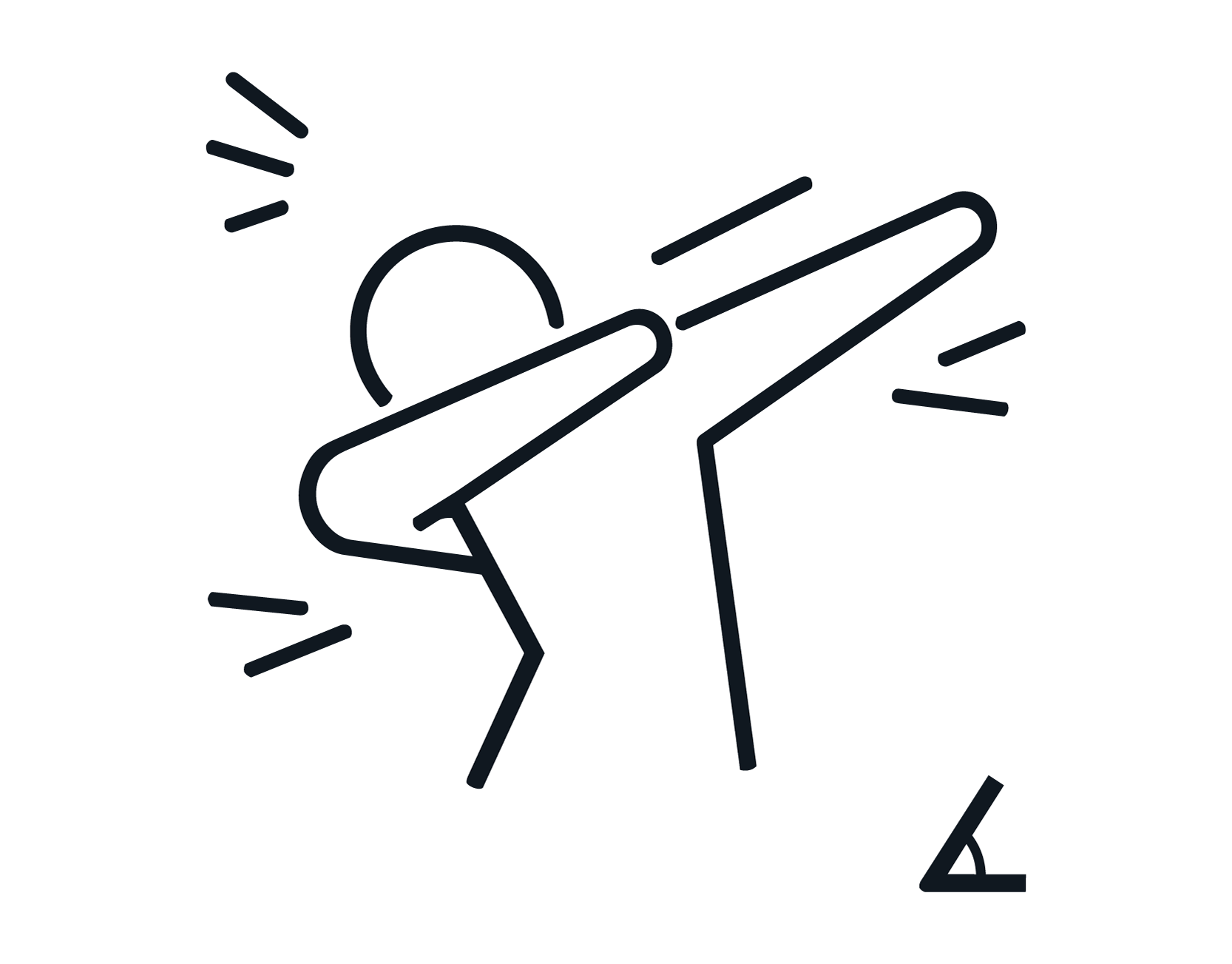
Dab
A quick, stylised dance pose where one arm bends across the face while the other angles upward, expressing confidence, celebration, or playful attitude.
Themes: Celebration and expression.
Nuance: Contemporary cultural gesture.
Defensive behaviour
Any action taken to protect oneself from a perceived threat, whether physical, emotional, or social.
Themes: Protection and response to threat.
Nuance: Reactive adaptation.

Dabble
To explore or experiment lightly with an idea, skill, or activity without deep commitment.
Themes: Curiosity and exploration.
Nuance: Non-committal engagement.

FA Cup
England’s historic national football knockout tournament, open to clubs across all levels and known for dramatic upsets and iconic matches.
Themes: Sporting tradition and inclusivity.
Nuance: Open-format, high-drama competition.

Fab
A concise term for fabrication: the act of designing, shaping, or constructing something through deliberate creation, assembly, or craft.
Themes: Craftsmanship and making.
Nuance: Constructive assembly.
Fear-induced aggression
A reactive, defensive form of aggression that occurs when an individual perceives an immediate threat and responds impulsively to protect themselves.
Themes: Self-preservation and emotional response.
Nuance: Defensive, impulsive aggression.
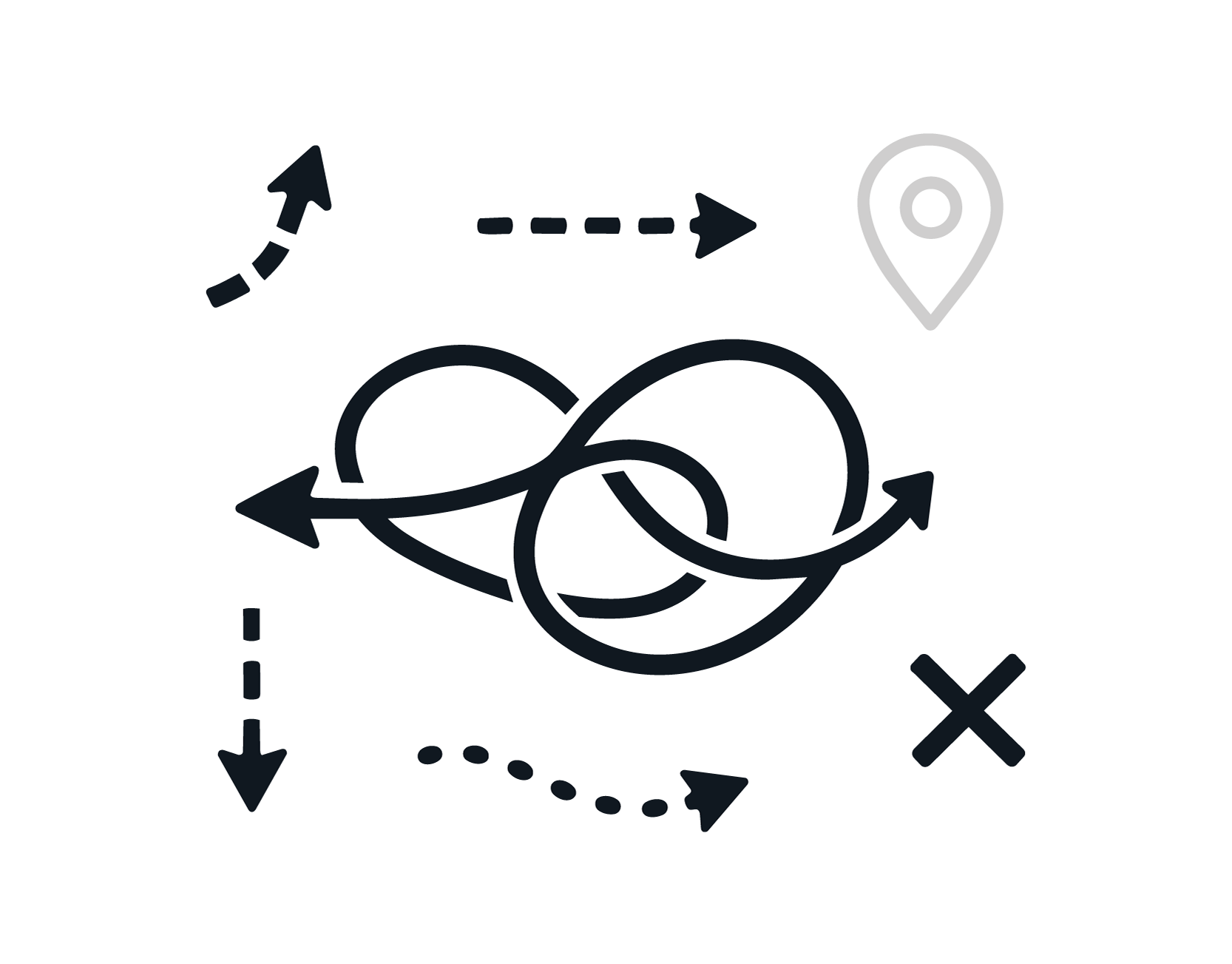
Fool’s errand
A needless, futile, or hopeless task—something with no real chance of success or no meaningful purpose.
Themes: Futility and misdirection.
Nuance: Hopeless pursuit.
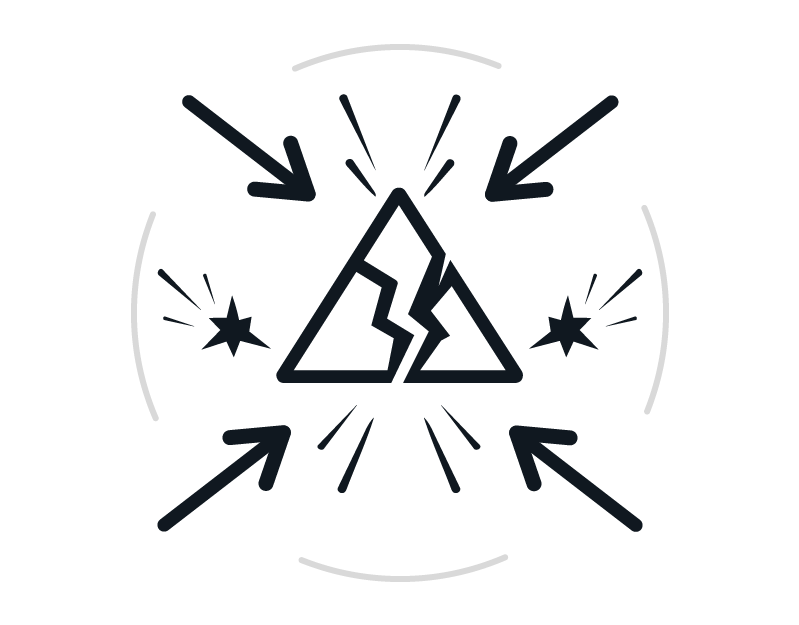
Forms of aggression
Different ways aggressive behaviour can be expressed, all involving intent to cause harm—physical, psychological, or social.
Themes: Harm and interpersonal dynamics.
Nuance: Mode of expression.
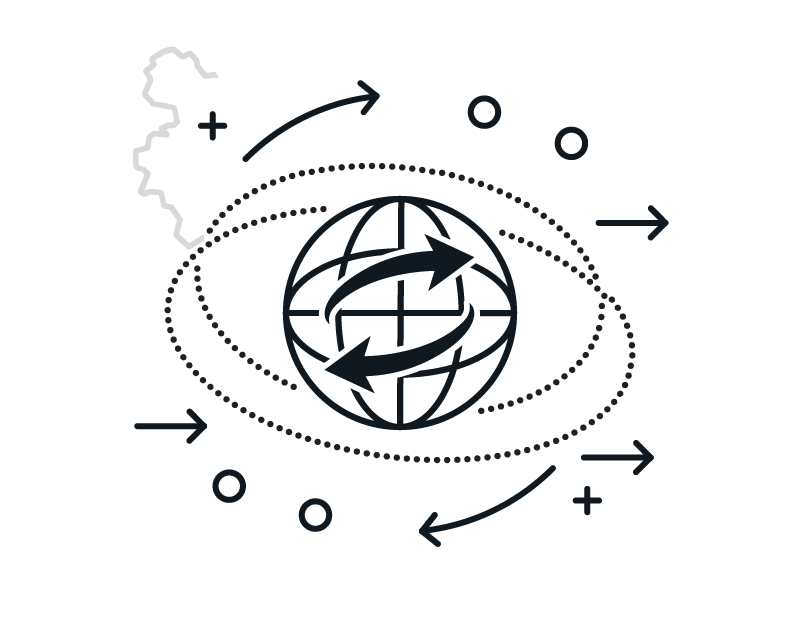
Geopolitical ballet
A metaphor describing the coordinated, strategic movements and countermoves of states on the international stage, akin to a choreographed dance.
Themes: International relations and strategic manoeuvring.
Nuance: Metaphorical framing of statecraft.
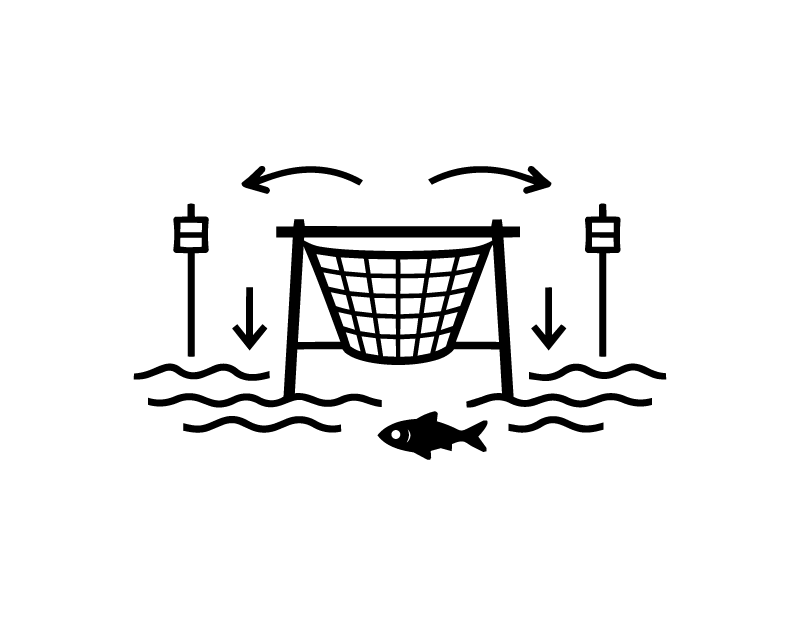
Haaf
A traditional coastal net fishing method from the Solway Firth, where fishers stand in tidal waters using large, framed nets to catch salmon and sea trout.
Themes: Tradition and adaptation to environment.
Nuance: Human-powered, place-specific fishing technique.

Habitual action
A behaviour performed regularly and automatically, often without conscious thought; part of a routine.
Themes: Routine and automaticity.
Nuance: Unconscious repetition.
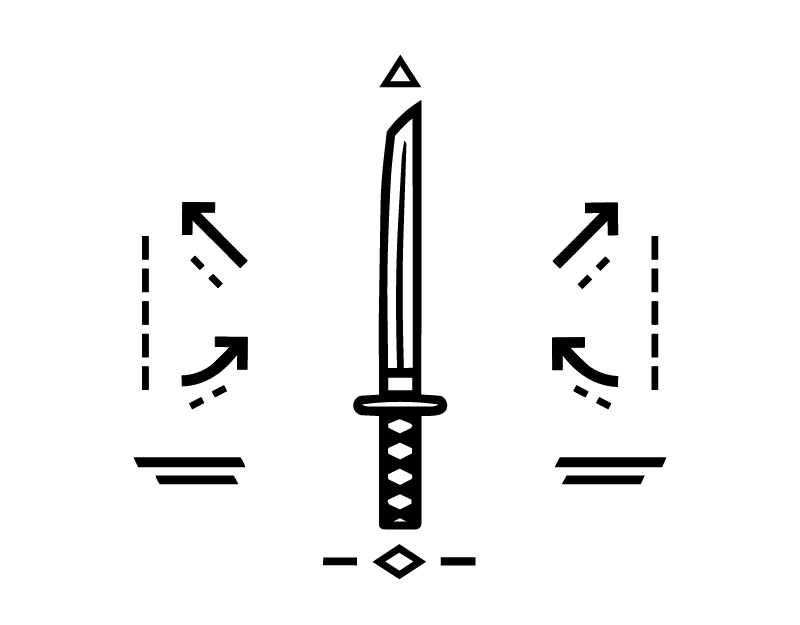
Iei dō
A Japanese martial art focused on the precise, mindful drawing of the sword and delivering controlled cuts with discipline and fluid motion.
Themes: Discipline and mindfulness in motion.
Nuance: Ritualised, fluid sword technique.
Jab
A quick, sharp action or remark, often describing a fast strike, sudden poke, or brief, pointed interruption in movement or communication.
Themes: Communication and response.
Nuance: Sudden, targeted intervention.

Kabaddi
A fast-paced contact sport where players raid the opponent’s side, tag defenders, and return without being tackled, combining agility, strength, and teamwork.
Themes: Teamwork and strategy.
Nuance: Physical contact and risk-reward dynamics.
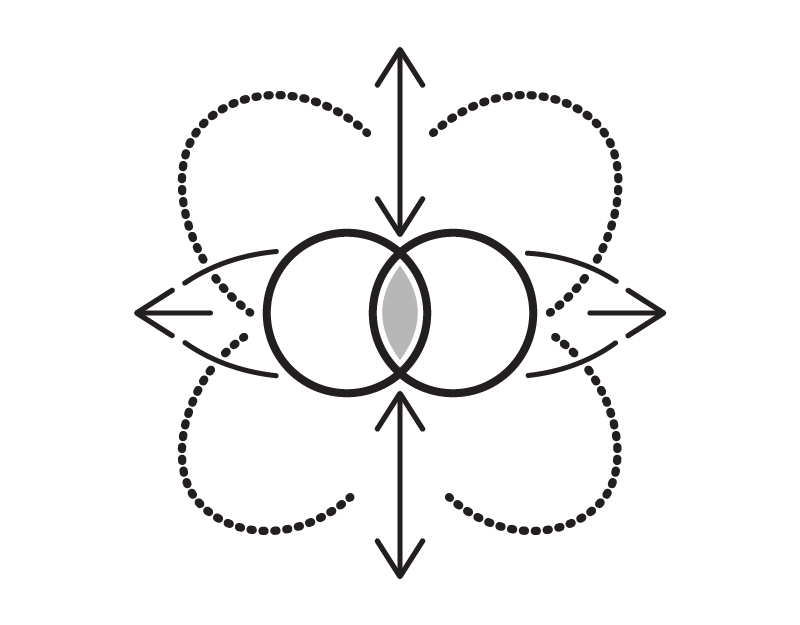
Kae
A conceptual state describing the dynamic exchange between self and other, where identity, intention, and meaning meet, shift, and co-create.
Themes: Co-creation and relational identity.
Nuance: Mutual transformation.

Maintain control
To keep authority, direction, or influence over a situation, process, or group so that outcomes stay aligned with your intentions.
Themes: Authority and stability.
Nuance: Active management.
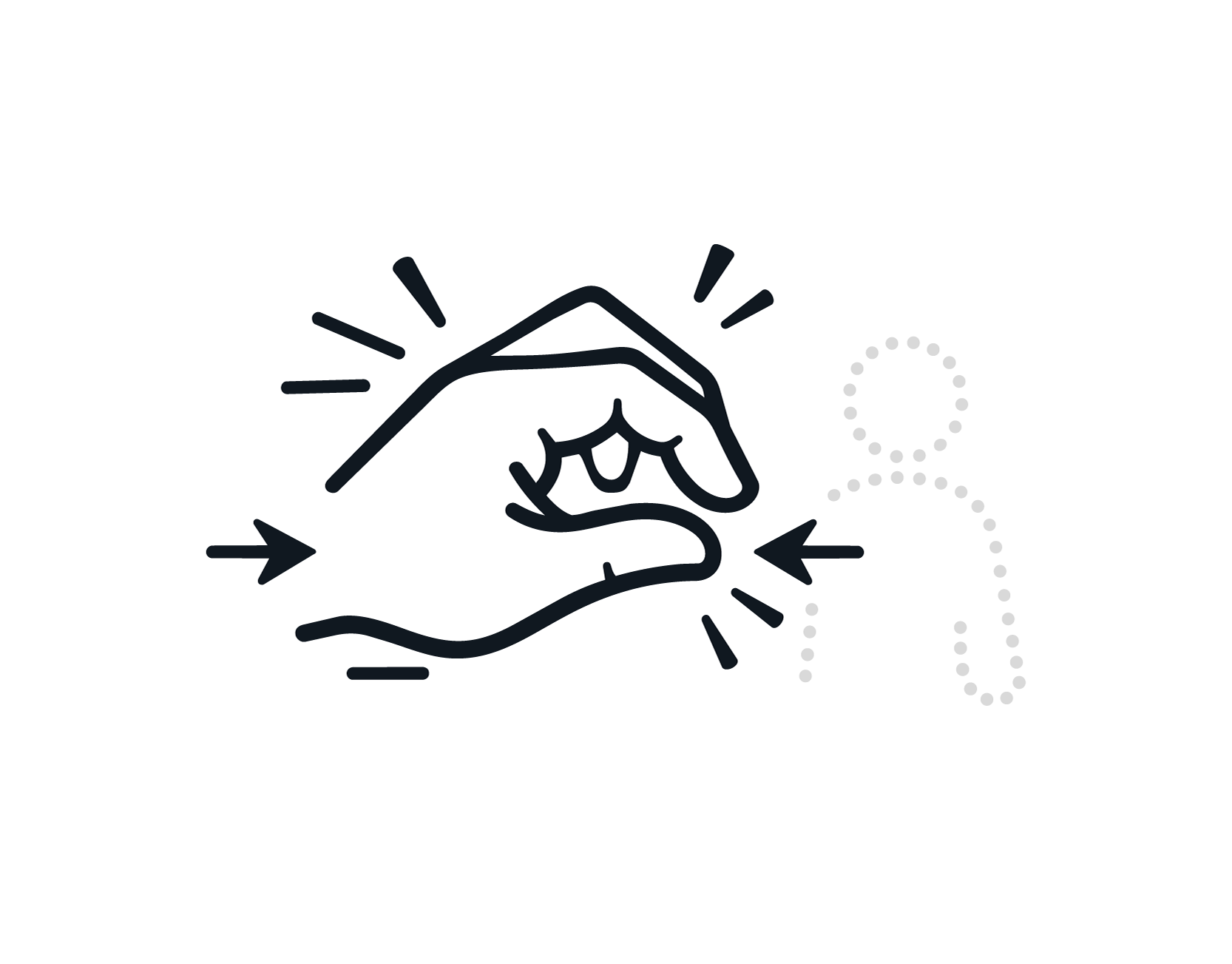
Nab
To seize suddenly, snatch, or catch/arrest someone, usually in an informal context.
Themes: Intervention and control.
Nuance: Informal, rapid apprehension.
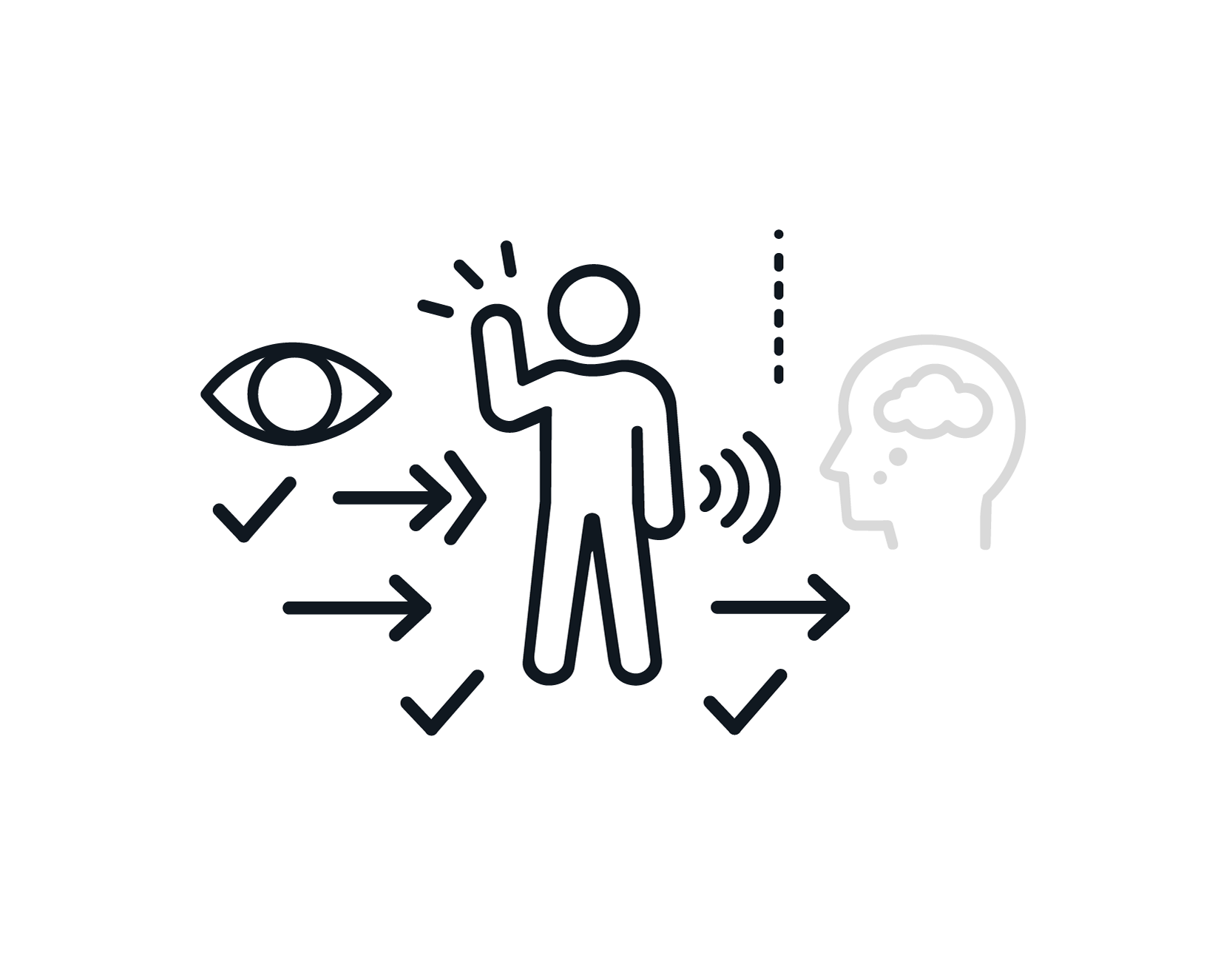
Observable actions
Behaviours that can be directly seen, heard, or otherwise perceived by others.
Themes: Communication and response.
Nuance: External visibility.
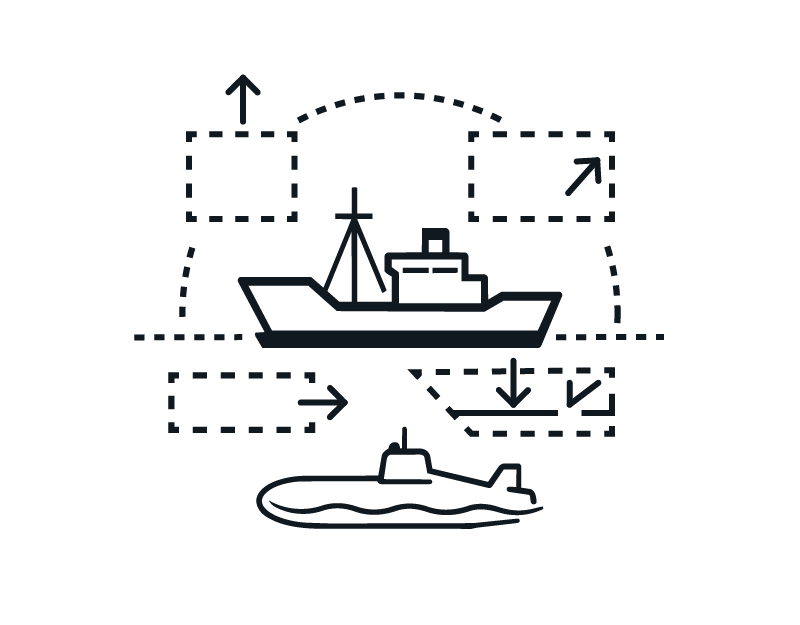
Q-ship
A heavily armed warship disguised as a merchant or fishing vessel, intended to lure enemy submarines into attack range.
Themes: Military strategy and countermeasure.
Nuance: Disguised combatant.

Reactive aggression
An impulsive, emotionally charged aggressive response to a perceived threat, provocation, or frustration, typically unplanned and disproportionate.
Themes: Emotional response and conflict.
Nuance: Impulsivity and lack of premeditation.
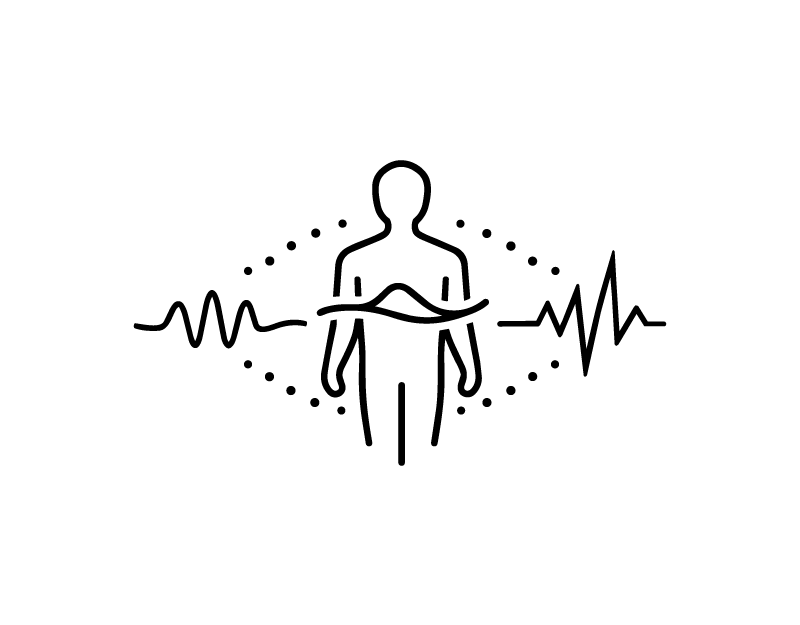
Regulating the body
The conscious or automatic processes that maintain physiological stability (e.g., heart rate, breathing, muscle tension, hormonal balance) to support emotional and cognitive functioning.
Themes: Homeostasis and adaptation.
Nuance: Integration of conscious and automatic control.

Right a wrong
To correct an injustice, mistake, or unfair situation by taking action to repair harm or make amends.
Themes: Justice and restoration.
Nuance: Remedial intervention.
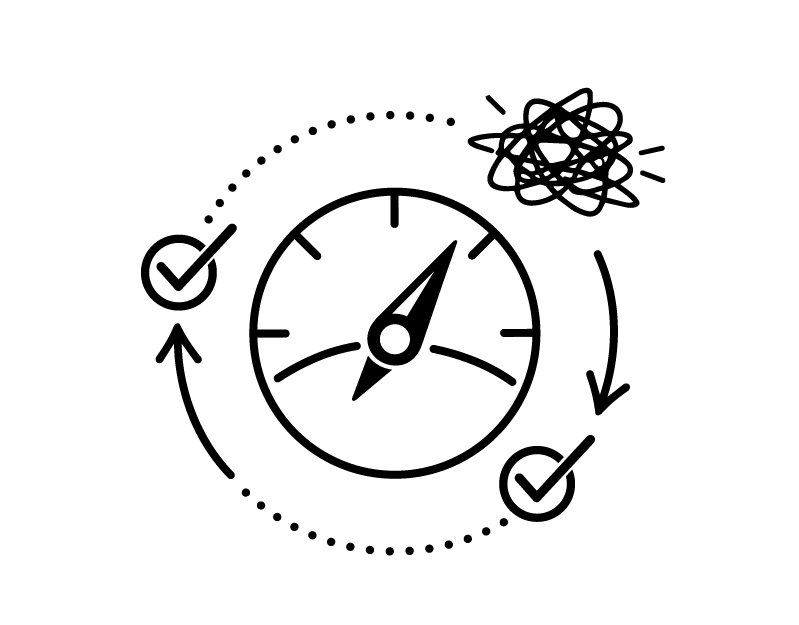
Self-regulation
The ability to manage your thoughts, emotions, and behaviours to achieve your goals.
Themes: Personal agency and self-control.
Nuance: Internal regulation of self.

Self-reinforcement
The process of rewarding yourself for performing a desired behaviour or achieving a goal, rather than relying on external praise or incentives.
Themes: Motivation and self-regulation.
Nuance: Internal reward mechanism.
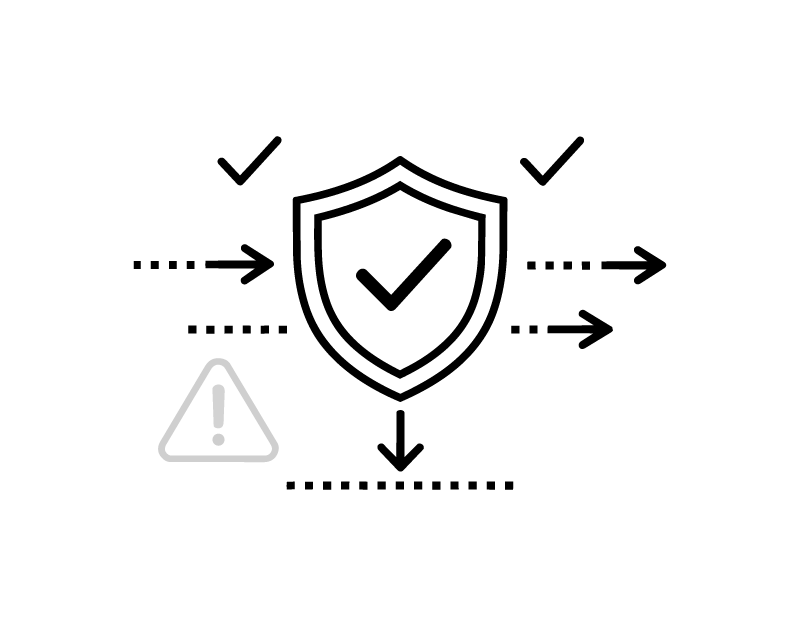
Strict procedural integrity
A disciplined commitment to never break regulations, never take chances, never ignore written procedures, and never compromise safety.
Themes: Safety and compliance.
Nuance: Zero-tolerance discipline.
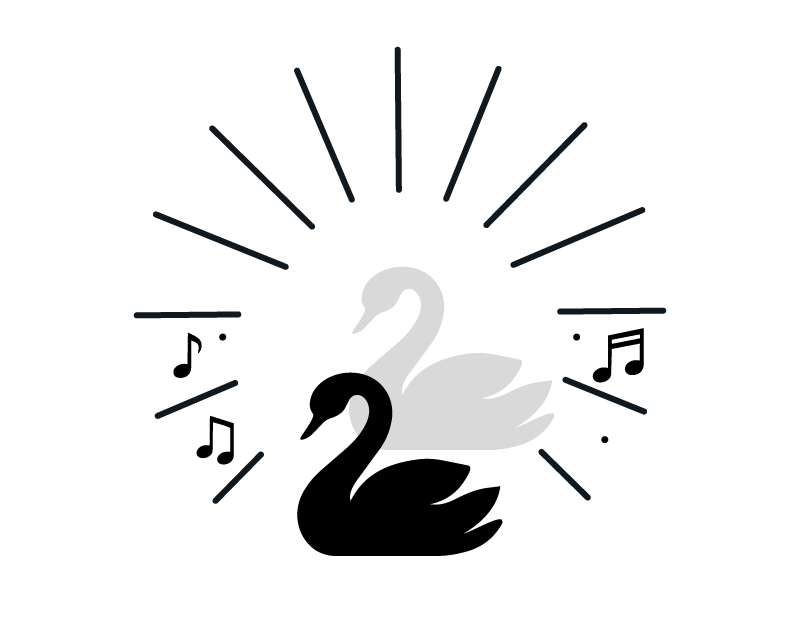
Swan song
A final act, performance, or effort before ending a career, project, or life’s work.
Themes: Closure and legacy.
Nuance: Poignant finality.
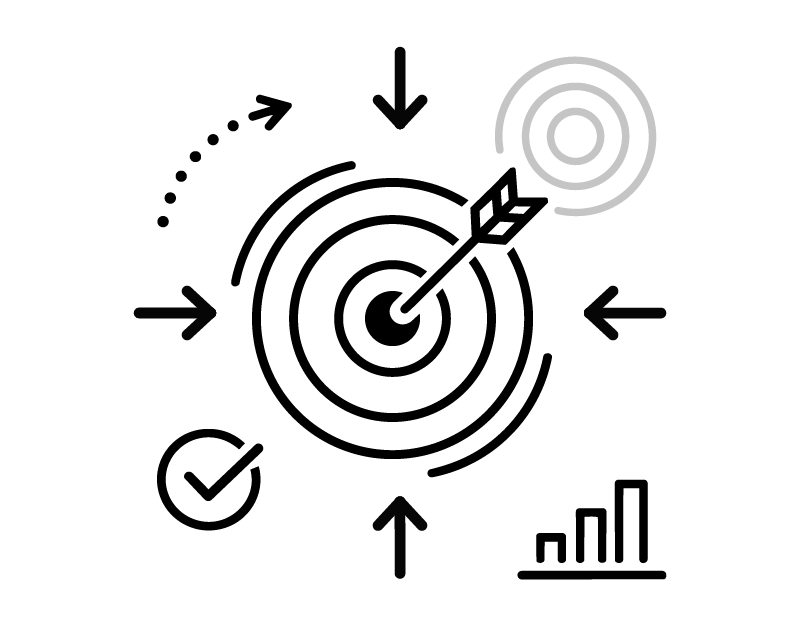
Targets
Specific results, goals, or objectives that someone aims to achieve, or objects at which something is directed (such as an attack, action, or remark).
Themes: Goal-setting and direction.
Nuance: Defined endpoint or objective.
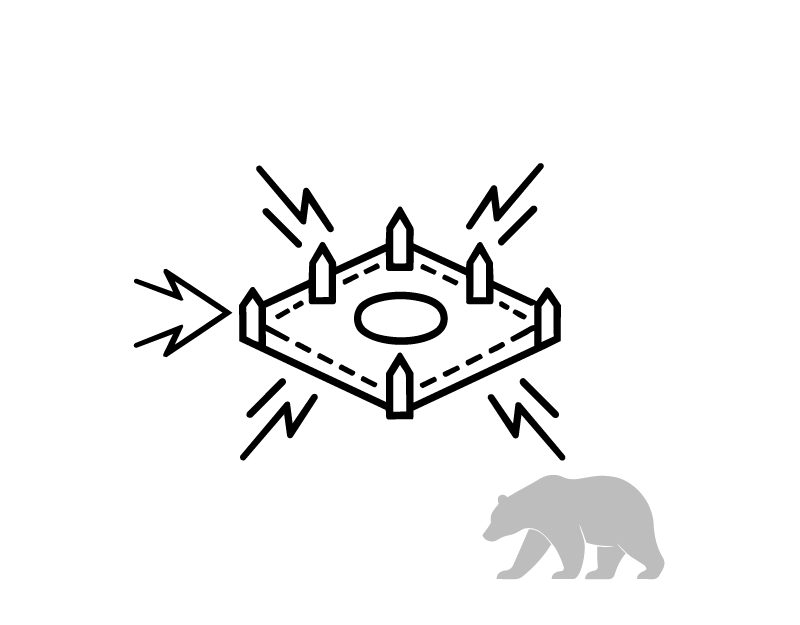
Territorial aggression
Aggressive behaviour used to defend a specific area or space against intruders, typically members of the same species.
Themes: Competition and resource protection.
Nuance: Defensive aggression within a defined space.
Violence
Intentional use of physical force or power against others, likely to cause harm, injury, trauma, deprivation, or death.
Themes: Harm and conflict.
Nuance: Intentional destructive force.

Wrangle
To argue or dispute in a noisy, persistent, or peevish way; to obtain something through persistent arguing; or to herd livestock, especially horses.
Themes: Conflict and negotiation.
Nuance: Persistent, contentious engagement.